Qinling Chang'an Four-Day Cultural Tour
A premium 4-day journey through the Qinling Mountains and Chang'an (Xi'an). Explore ancient temples, hike misty peaks, and discover the Terracotta Army.

Discover 3,000 years of history in China's ancient capital, where imperial grandeur meets vibrant street life.
Xi'an is where China's story begins. As the eastern terminus of the Silk Road and capital for 13 dynasties, this city guards the Terracotta Army, the world's most complete ancient city wall, and a Muslim Quarter that has been sizzling with flavour for over a thousand years.
Whether you are tracing the footsteps of emperors, cycling atop Ming Dynasty ramparts, or hunting for the perfect bowl of hand-pulled noodles, Xi'an rewards curious travellers with layers of history you can still touch, taste, and walk through today.
March–May & September–November bring mild temperatures, clear skies, and comfortable days for exploring.
3–4 days is ideal to cover the major sights without rushing, including a day trip to the Terracotta Warriors.
Chinese Yuan (CNY) is used everywhere. Mandarin is standard; English is limited outside hotels, so a guide helps.
Xi'an Xianyang International Airport serves direct flights from major Asian hubs. The city is also a high-speed rail hub.
Curated routes through ancient Chang'an — from the Terracotta Army to the misty peaks of the Qinling Mountains.
A premium 4-day journey through the Qinling Mountains and Chang'an (Xi'an). Explore ancient temples, hike misty peaks, and discover the Terracotta Army.

Explore misty Qinling mountains and ancient Chang'an on a 4-day 3-night deep tour. Certified guides, boutique stays, and all meals included.
From ancient warriors to sacred pagodas, these are the sights that make Xi'an unforgettable.
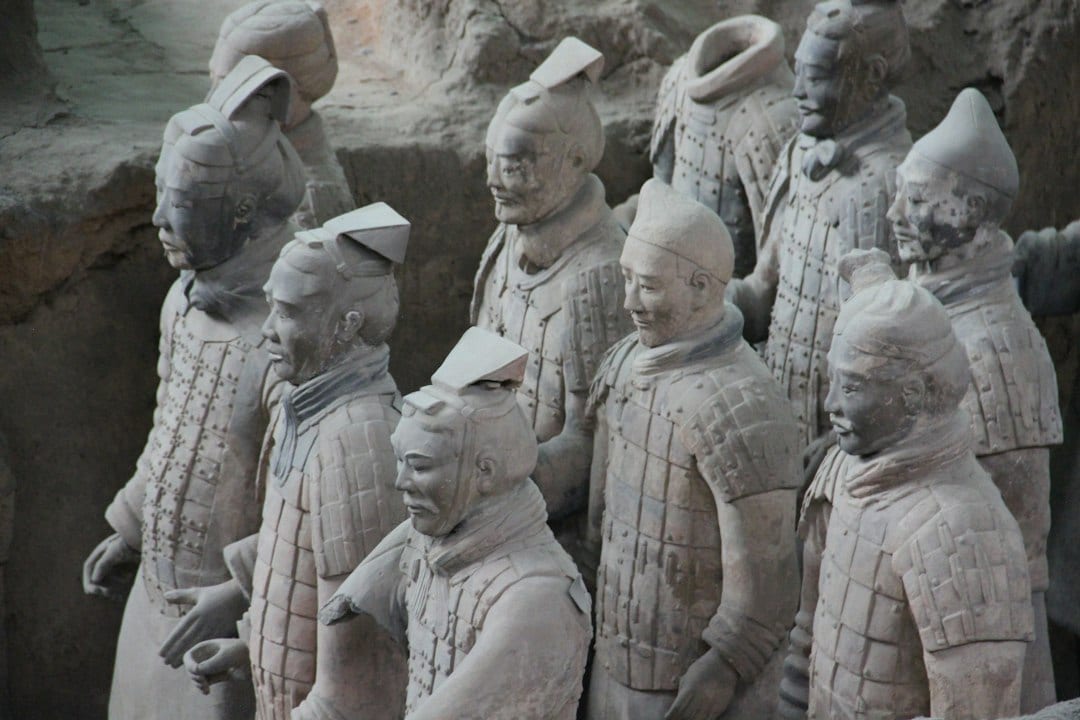
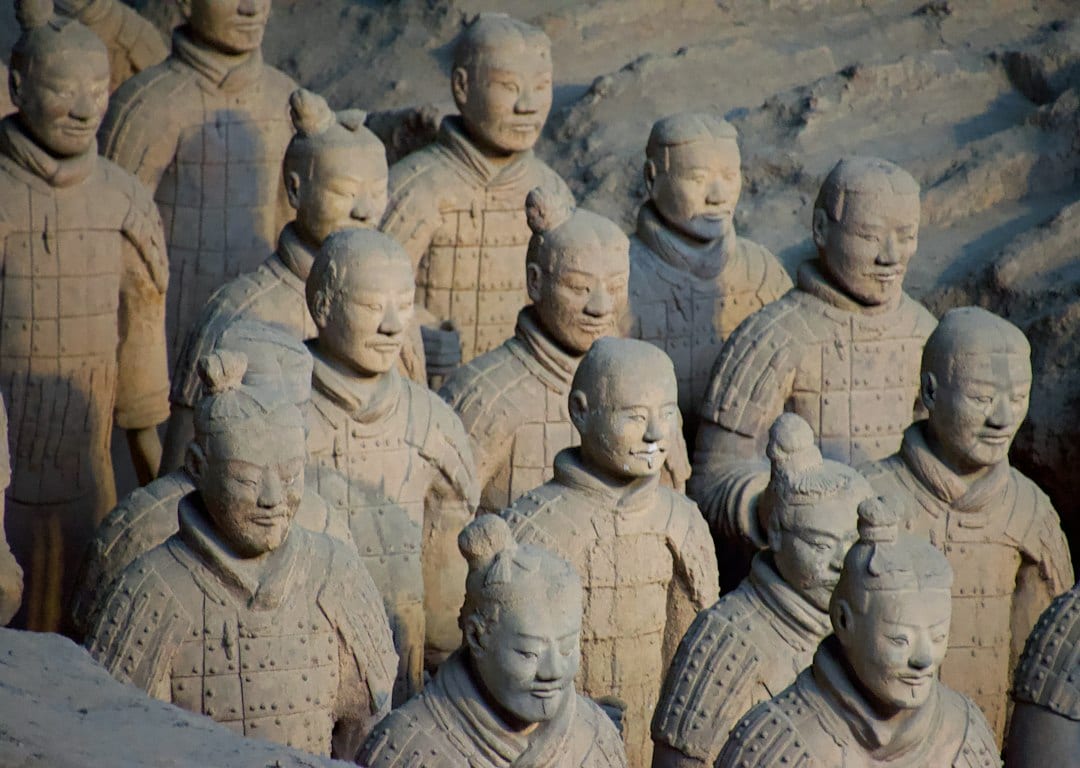
Over 8,000 life-sized clay soldiers, horses, and chariots guard the tomb of Emperor Qin Shi Huang — one of the greatest archaeological discoveries on Earth.
Suggested Visit: 3–4 hours
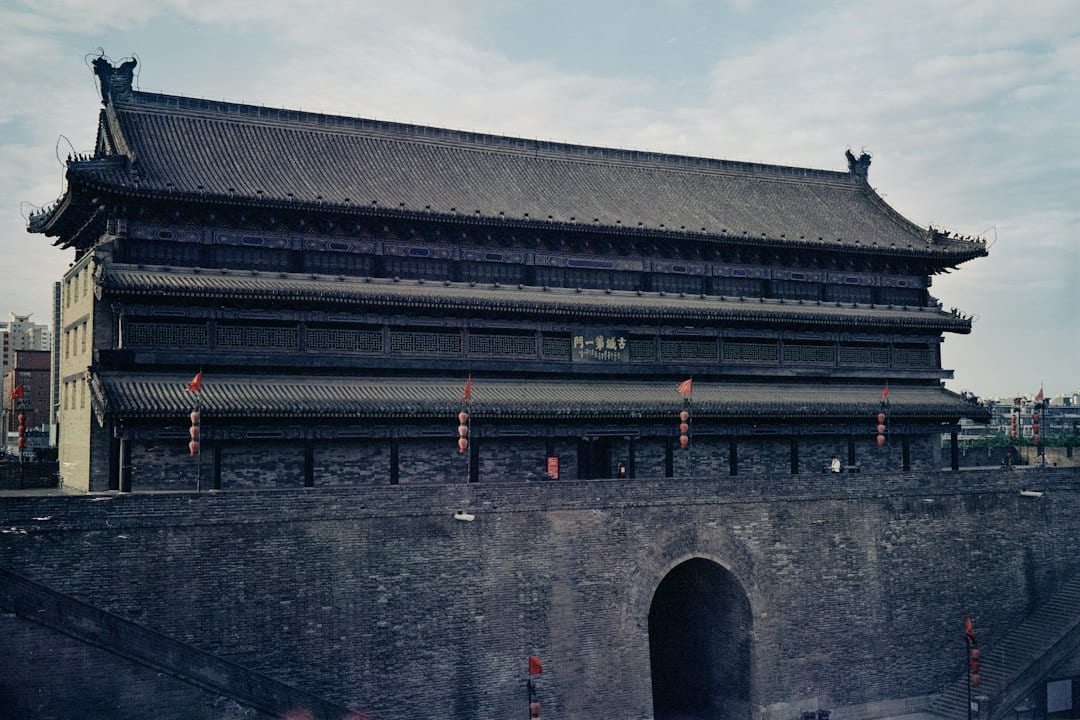
The most complete city wall in China, built during the Ming Dynasty. Rent a bike and ride the full 14-kilometre circuit for panoramic views of old and new Xi'an.
Suggested Visit: 2–3 hours
A seven-storey Buddhist pagoda built in 652 AD to house scriptures brought from India. The surrounding Da Ci'en Temple and music fountain square are equally captivating.
Suggested Visit: 1.5–2 hours
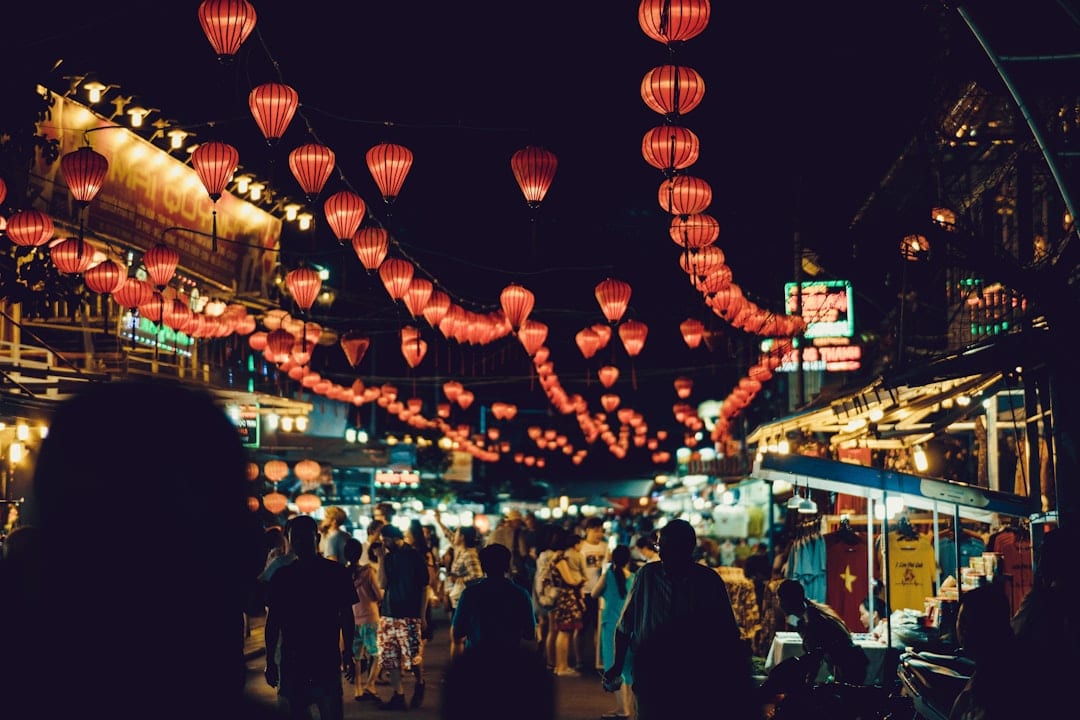
A labyrinth of narrow lanes behind the Drum Tower, packed with sizzling street food stalls, handicraft shops, and the aroma of cumin and lamb that has filled the air for centuries.
Suggested Visit: 2–3 hours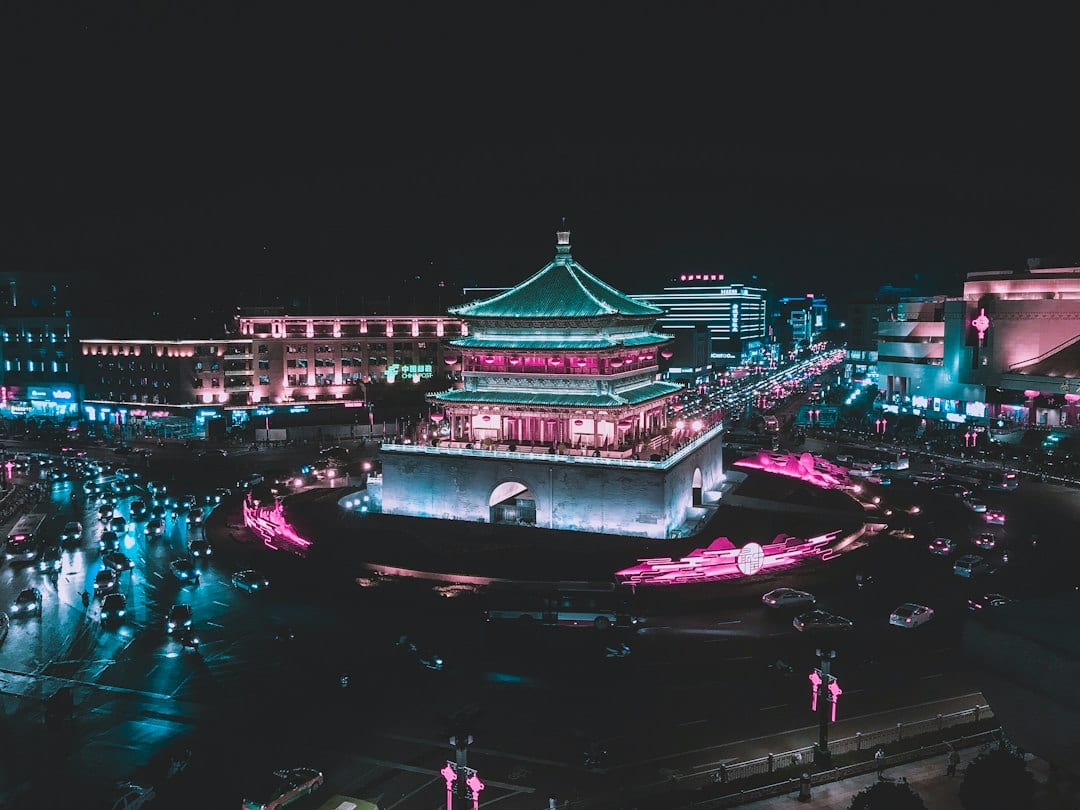
Often called the "Pearl of Ancient Dynasties," this museum houses over 370,000 relics spanning from prehistoric times through the Qing Dynasty — a must for history lovers.
Suggested Visit: 2–3 hours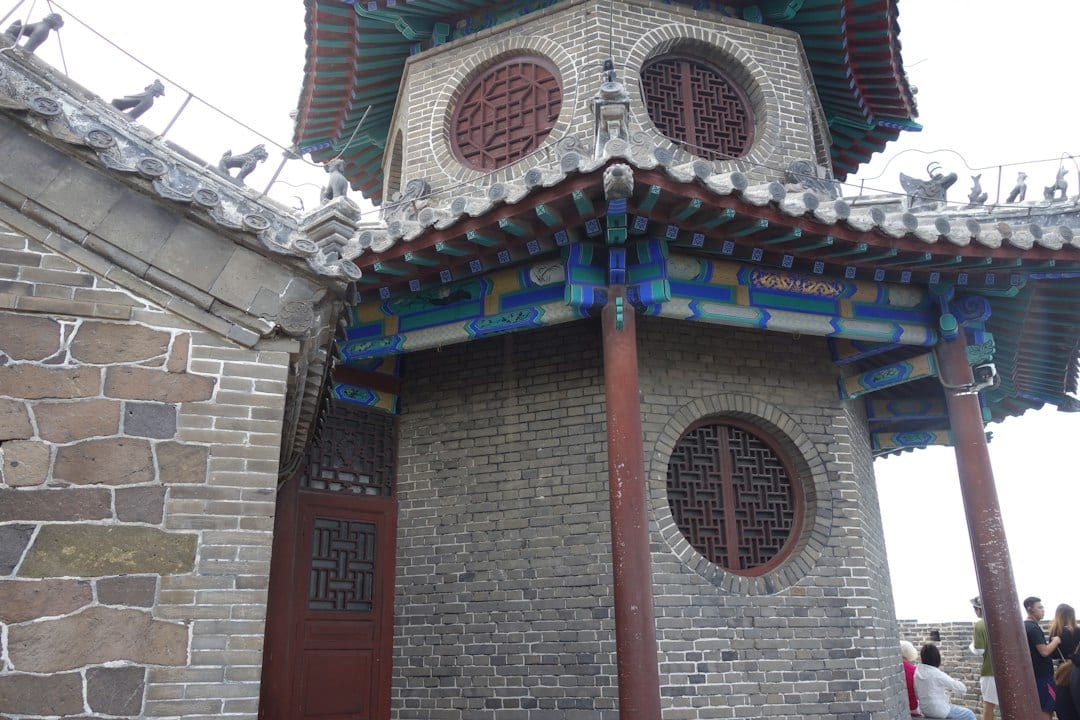
One of China's oldest and largest mosques, blending traditional Chinese architecture with Islamic design. The tranquil courtyards offer a peaceful escape from the bustling quarter outside.
Suggested Visit: 1 hour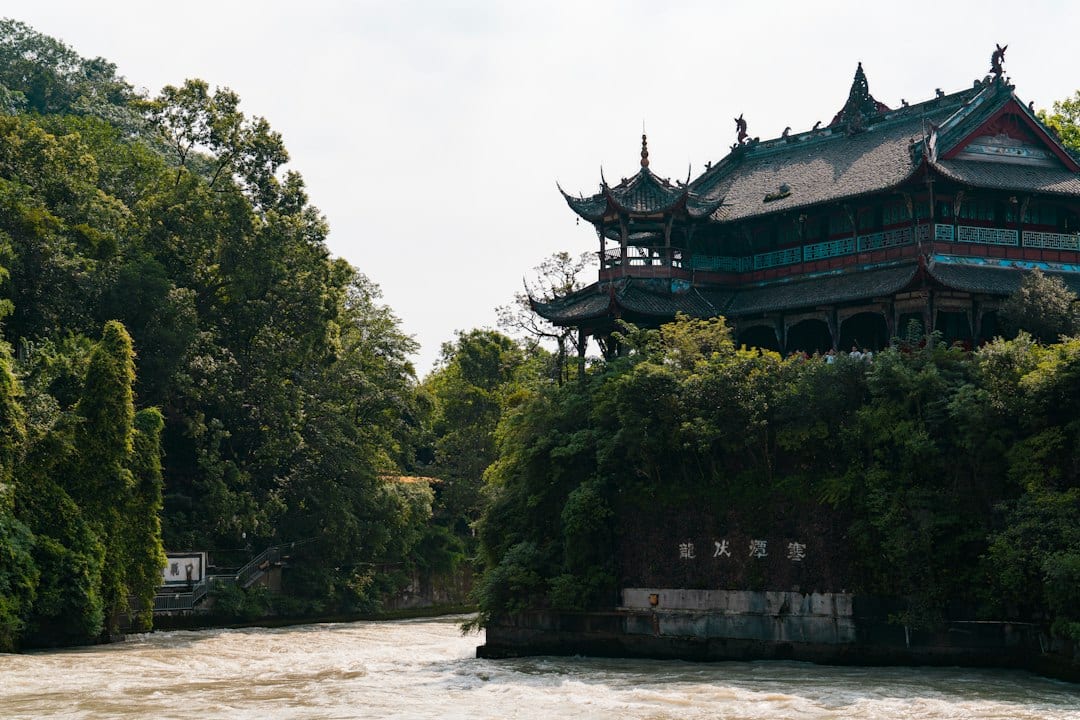
A Tang Dynasty imperial hot-spring retreat at the foot of Mount Li. Famous for its romantic association with Emperor Xuanzong and Yang Guifei, and its stunning garden landscapes.
Suggested Visit: 2–3 hours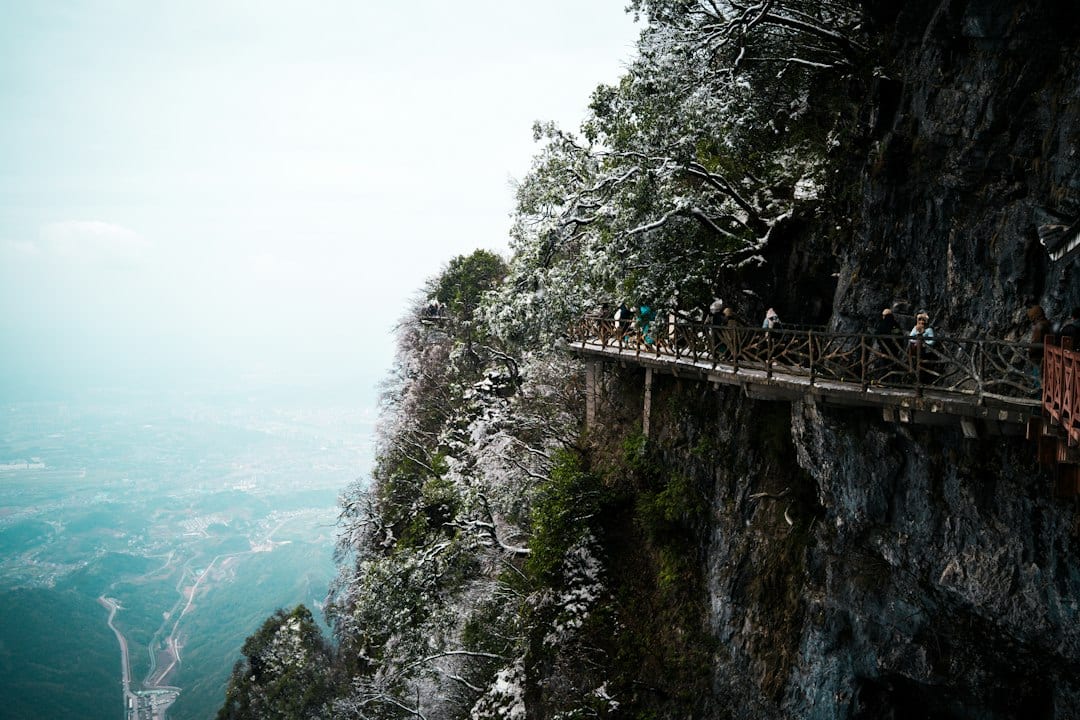
One of China's Five Great Mountains, famed for its sheer granite cliffs and nerve-testing plank walks. A day trip from Xi'an rewards adventurous hikers with breathtaking summit views.
Suggested Visit: Full day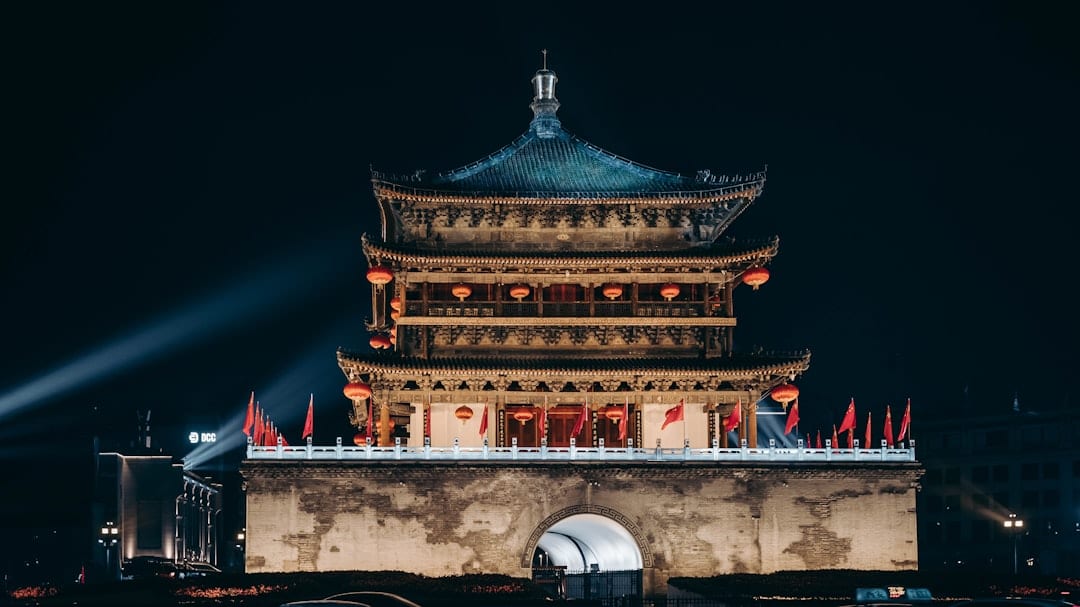
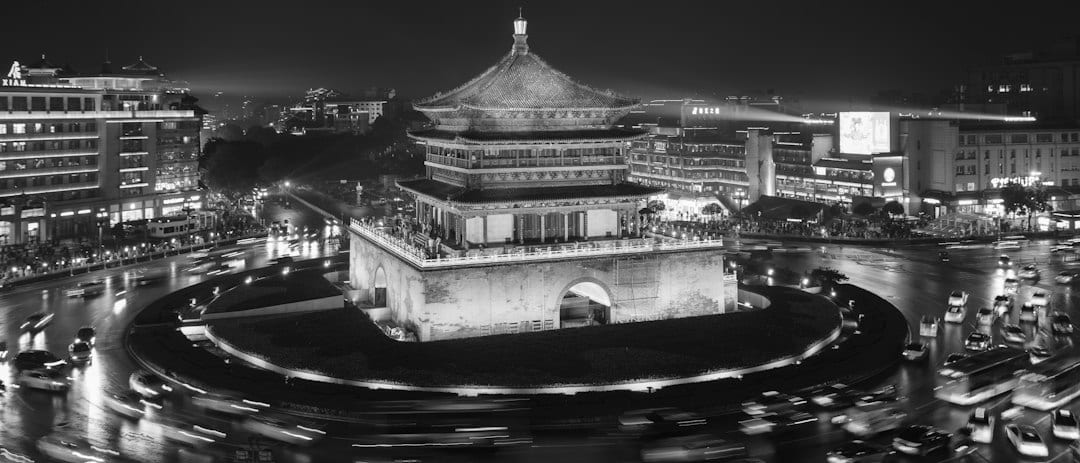
These Ming Dynasty landmarks mark the geographical centre of old Xi'an. Visit at dusk to watch them light up, then stay for the musical drum performances inside the Drum Tower.
Suggested Visit: 1–1.5 hoursShaanxi cuisine is bold, hearty, and shaped by the Silk Road. Here are the dishes you cannot leave without trying.
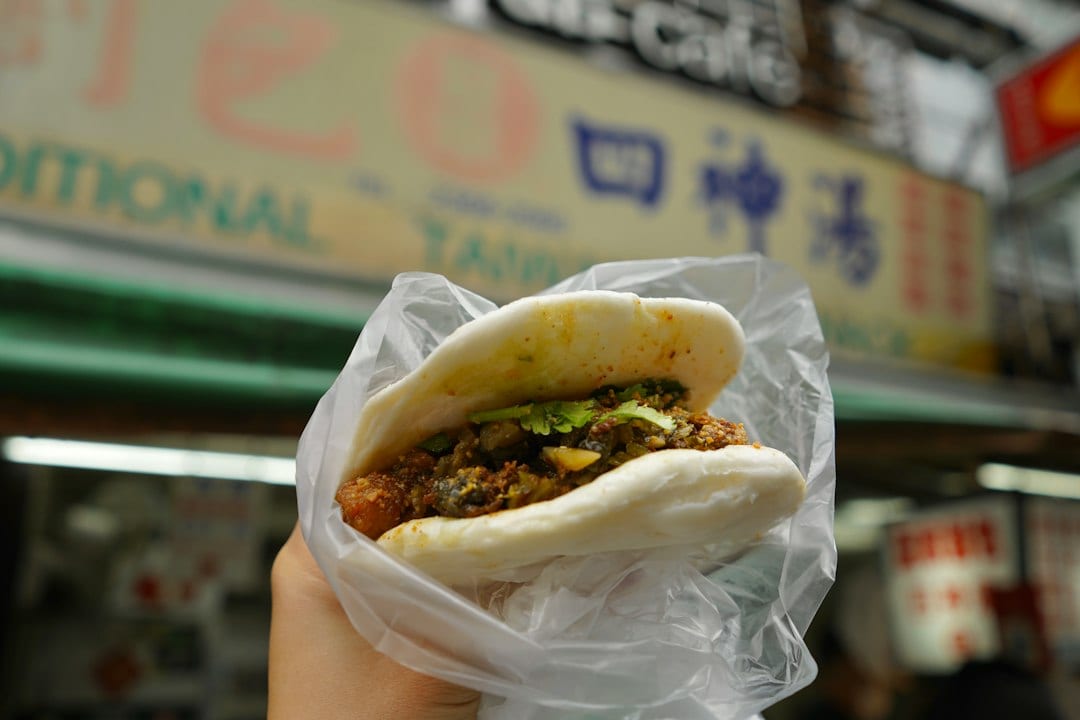
Often called the "Chinese hamburger," this crispy flatbread is stuffed with slow-braised pork or lamb that has been simmered in a broth of over 20 spices. Grab one from any street vendor in the Muslim Quarter.
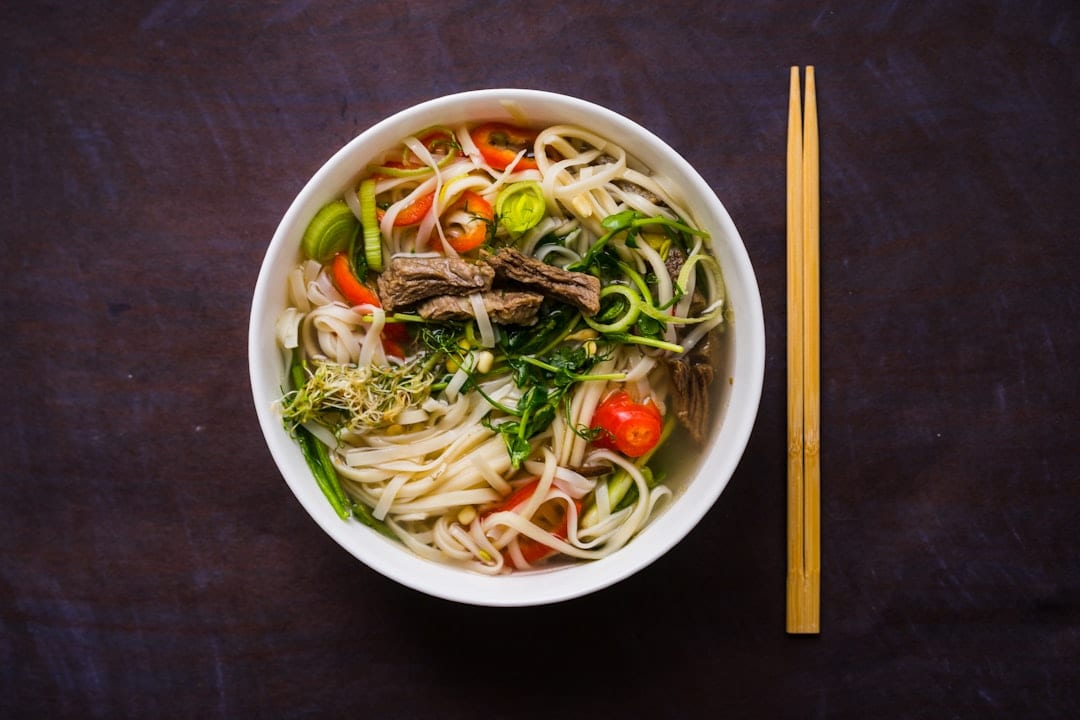
Wide, belt-like hand-pulled noodles named after the sound of dough slapping the counter. Dressed with chili oil, vinegar, garlic, and tender braised beef — a signature Shaanxi experience.
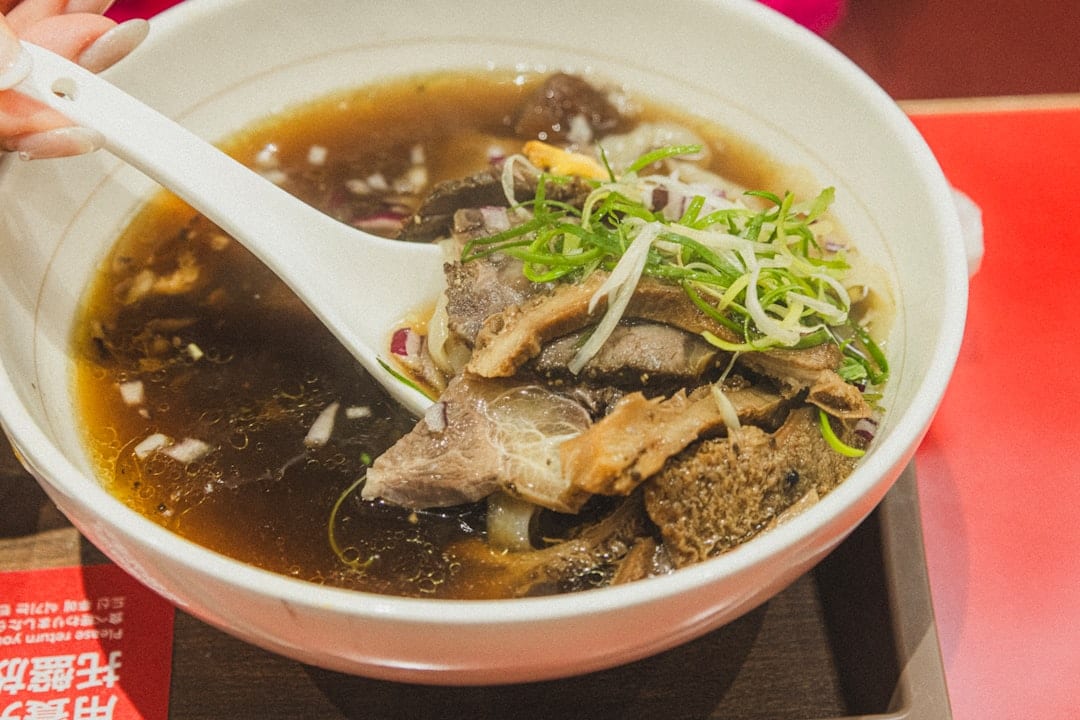
A comforting lamb stew served with pieces of unleavened bread that you tear into the bowl yourself. The broth is rich, aromatic, and deeply satisfying on a cool evening. Try Lao Sun Jia or Tong Sheng Xiang.
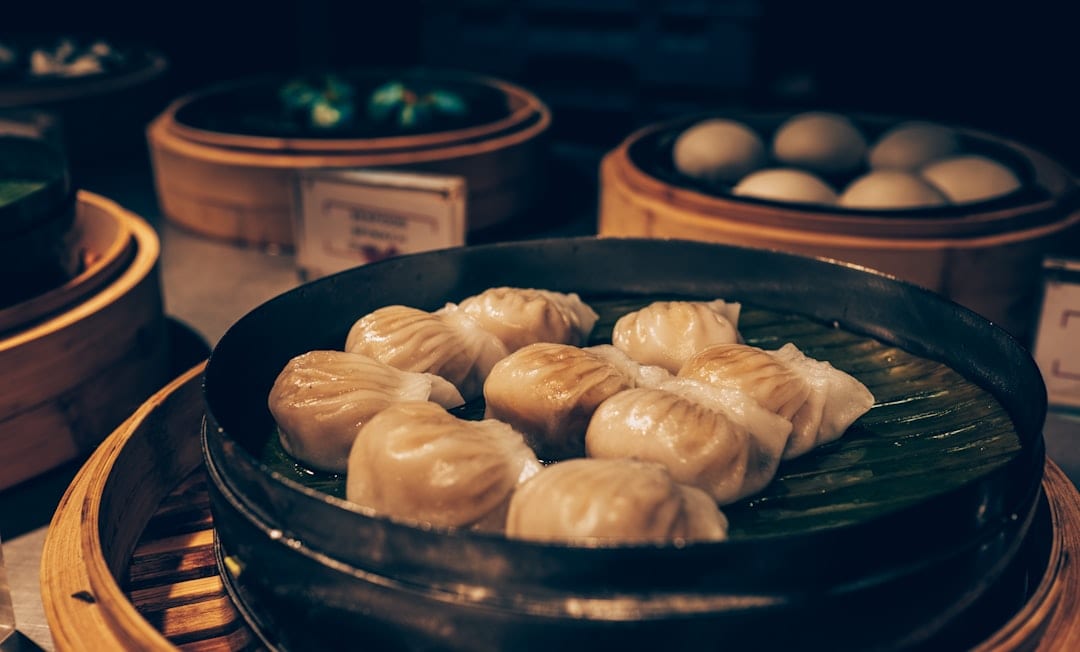
Xi'an elevates dumplings to an art form. A full banquet features dozens of shapes and fillings — from pork and cabbage to walnut and rose — each folded to resemble animals, flowers, or lucky symbols.
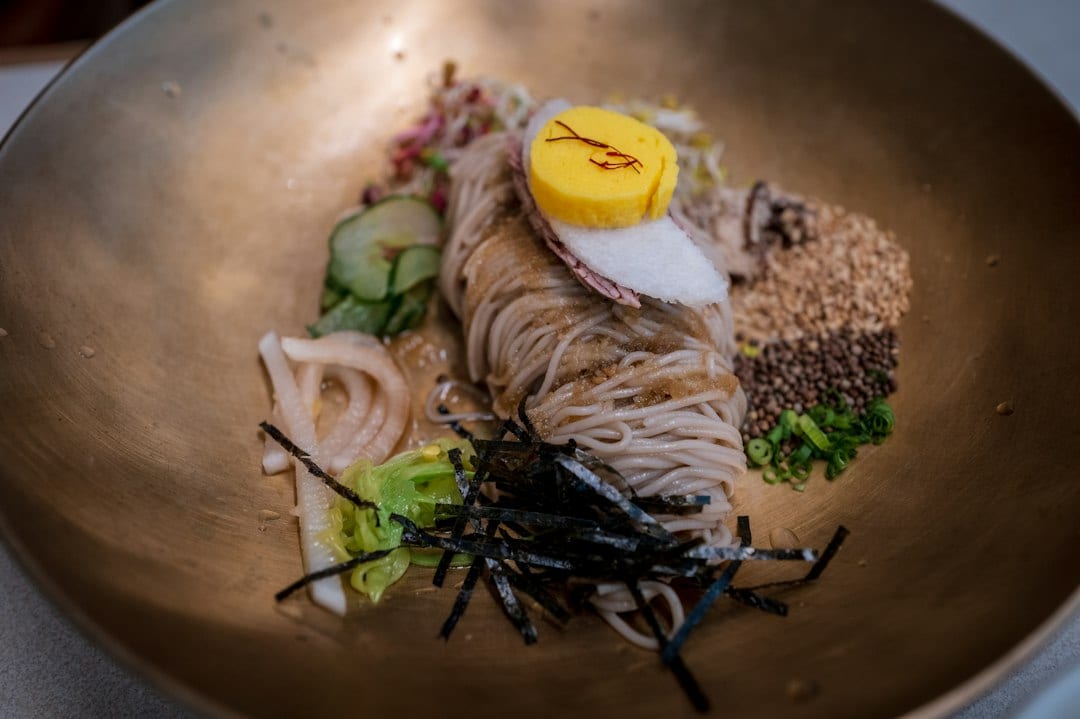
Chilled "cold skin" noodles made from wheat or rice flour, tossed with cucumber, bean sprouts, and a tangy sesame-garlic sauce. Refreshing, spicy, and the perfect snack between sightseeing stops.
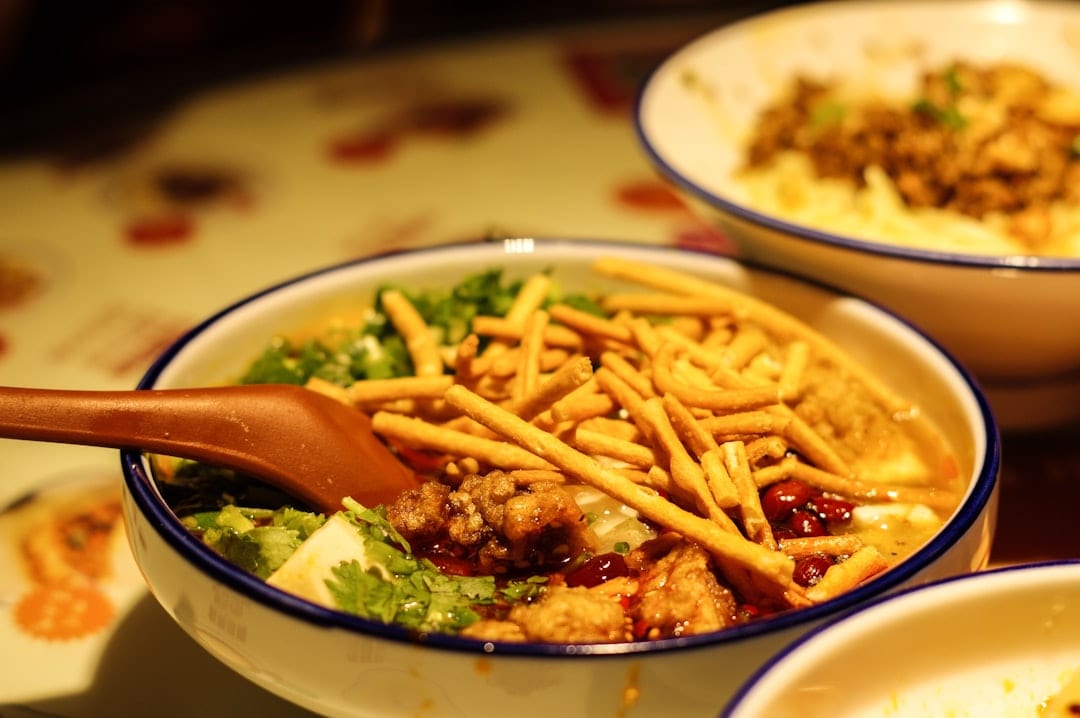
A fiery, peppery pork intestine and bread soup with a distinctive葫芦头 (gourd-head) shape. It is an acquired taste for some and a beloved local staple for others — a true Xi'an original.
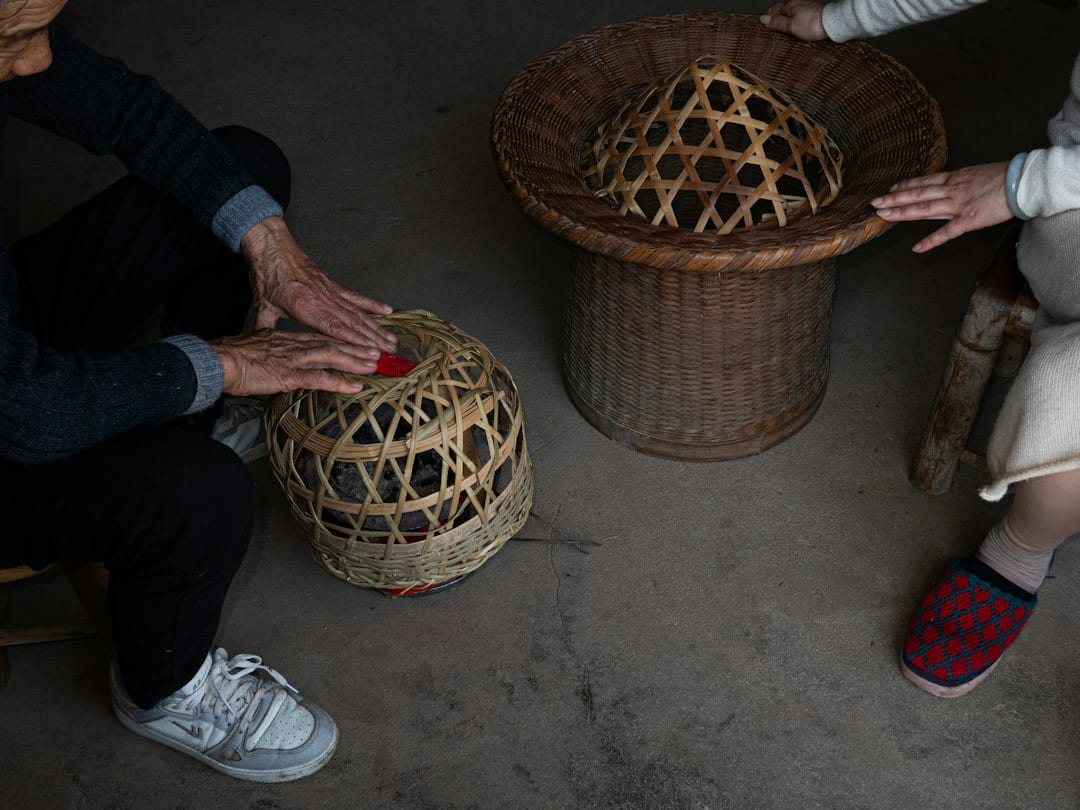
Delicate purses of thin dough filled with minced lamb and a rich, savoury broth. Lift them gently with chopsticks, bite a small hole to sip the soup, then savour the rest. Best enjoyed at De Fa Chang.
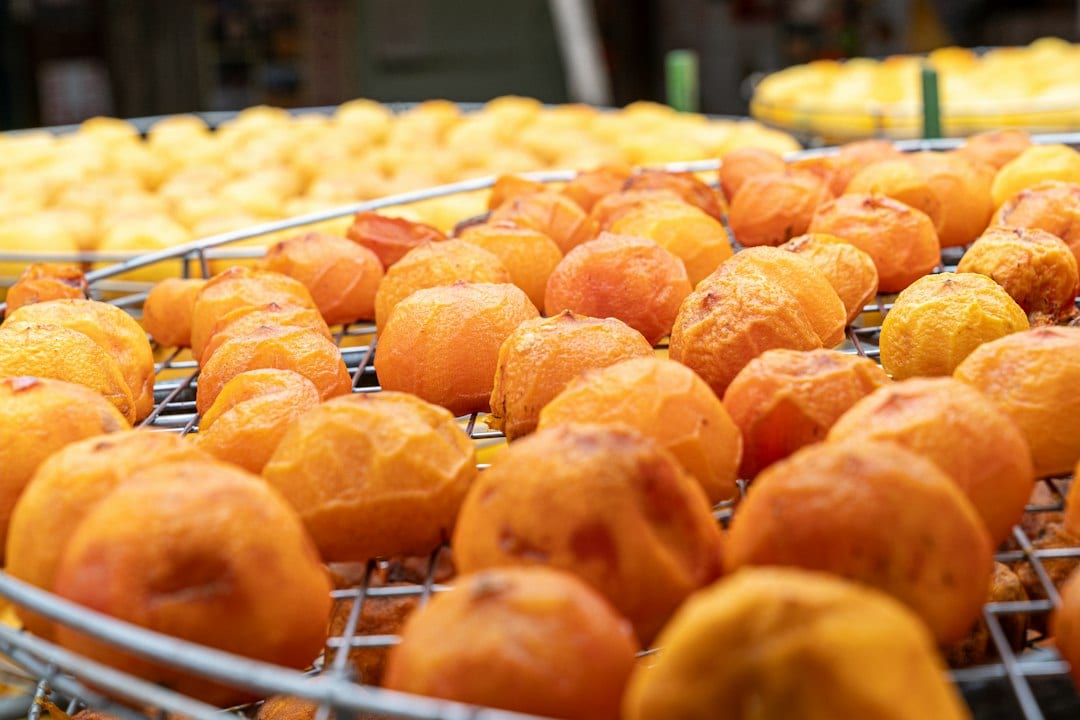
Crispy persimmon cakes filled with sweet red bean or black sesame paste. These golden, flower-shaped pastries are a beloved local dessert and make a wonderful edible souvenir to take home.
Xi'an is easy to navigate with modern metro lines, affordable taxis, and scenic cycling routes.
Xi'an's metro now covers most major sights with clean, air-conditioned trains. For the Terracotta Warriors, take Metro Line 9 to Huaqingchi then a short bus or taxi. High-speed rail connects Xi'an to Beijing, Shanghai, and Chengdu in just a few hours.
Taxis are plentiful and inexpensive — most rides within the city wall cost under ¥20. Didi (China's Uber equivalent) is convenient and accepts foreign credit cards. Have your destination written in Chinese, as few drivers speak English.
Rent a bicycle atop the Ancient City Wall for a memorable 14-kilometre ride. Within the wall, the old city is compact and walkable — many travellers find strolling between the Bell Tower, Drum Tower, and Muslim Quarter the best way to soak up the atmosphere.
Tell us what you are dreaming of — a private Terracotta Warriors tour, a food walk through the Muslim Quarter, or a custom multi-city itinerary — and we will craft it for you.
Everything you need to know before travelling to Xi'an.
Most international travellers need a Chinese tourist visa (L visa) to enter mainland China. Citizens of certain countries can enjoy visa-free transit for up to 144 hours when flying into Xi'an Xianyang International Airport. We recommend checking the latest requirements with your local Chinese embassy or consulate, or ask our consultants for guidance when booking.
Spring (March to May) and autumn (September to November) offer the most pleasant weather — mild temperatures, low rainfall, and clear skies. Summer can be hot and humid, while winter is cold but rewards visitors with fewer crowds and lower hotel rates.
The Chinese Yuan (CNY) is the official currency. Credit cards are accepted at major hotels and restaurants, but cash or mobile payment apps are preferred at street stalls and smaller shops. Tipping is not customary in China and is generally not expected — simply rounding up taxi fares is appreciated but not required.
Xi'an is considered very safe for tourists. Violent crime is rare, and the city centre is well-patrolled. As with any major destination, keep an eye on your belongings in crowded areas like the Muslim Quarter. Tap water is not drinkable — stick to bottled or boiled water. We also recommend travel insurance that covers medical evacuation.
Comfortable walking shoes are essential — you will cover a lot of ground on cobblestones and uneven surfaces. Layers work best for spring and autumn, while a warm coat is necessary in winter. Sunscreen and a hat are useful in summer. If you plan to hike Mount Huashan, bring sturdy trainers or hiking boots and a small daypack.
Chinese New Year (January or February) and the National Day Golden Week (1–7 October) see massive domestic travel surges — attractions are crowded and hotels are expensive. The Qingming Festival (early April) and Mid-Autumn Festival (September or October) are also busy. We recommend travelling just outside these windows for a more relaxed experience.
Let our local experts design a Xi'an itinerary tailored to your pace, interests, and travel style — from private guides to seamless transfers.
Start Planning Your Trip