Best Time to Visit
March to May and September to November, when gardens bloom and West Lake glows under mild skies.

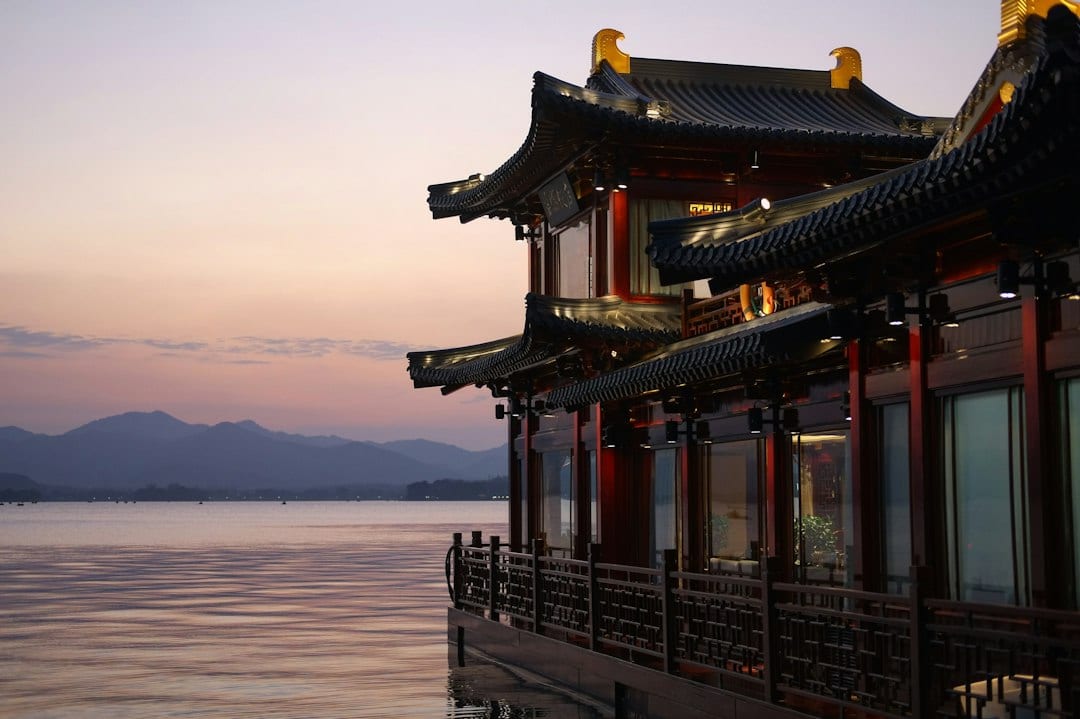
Where classical gardens meet misty lakes and timeless water towns.
Suzhou and Hangzhou have enchanted travelers for centuries. Together they form the heart of Jiangnan — a region of willow-lined waterways, scholar gardens, misty tea hills, and refined cuisine where every corner feels like a scroll painting come to life.
March to May and September to November, when gardens bloom and West Lake glows under mild skies.
5–7 days: 2–3 days in Hangzhou and 2–3 days in Suzhou, with an optional water-town stop.
Chinese Yuan (CNY). Mobile payments dominate; carry some cash for small vendors and temples.
Mandarin is official; local Jiangnan dialects are common. English is limited outside hotels, so a guide helps.
From UNESCO gardens and sacred peaks to lantern-lit canals, these are the places that define Jiangnan.
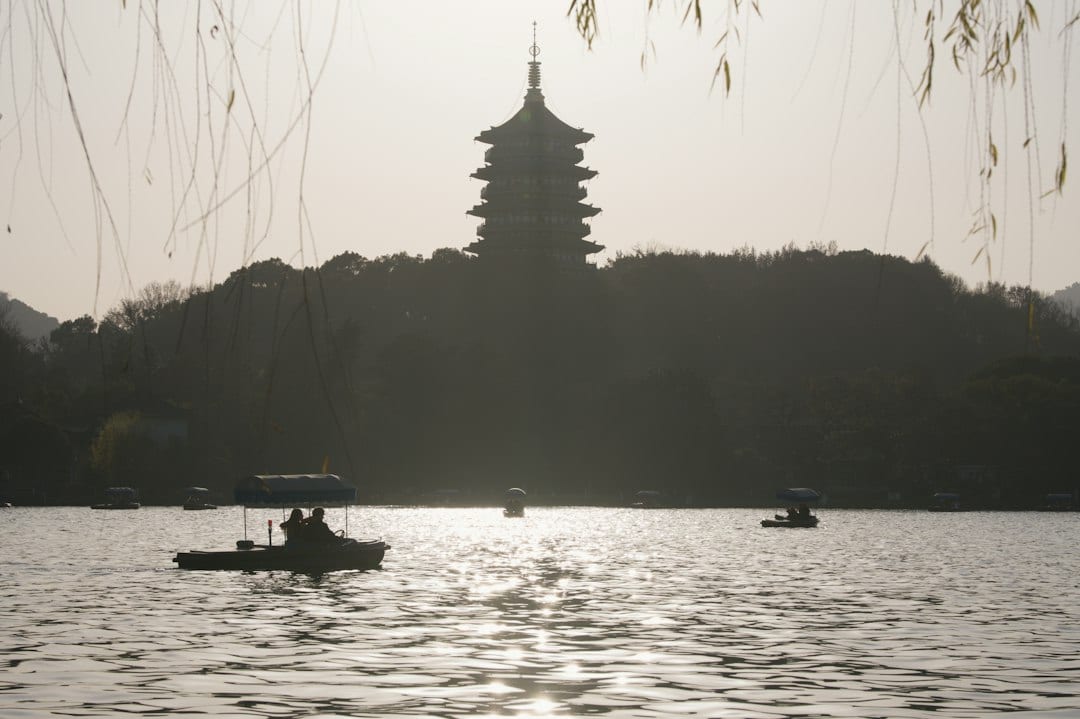
Hangzhou's legendary lake, framed by pagodas, willow banks, and the Ten Scenes that have inspired poets for a millennium.
Suggested visit: half day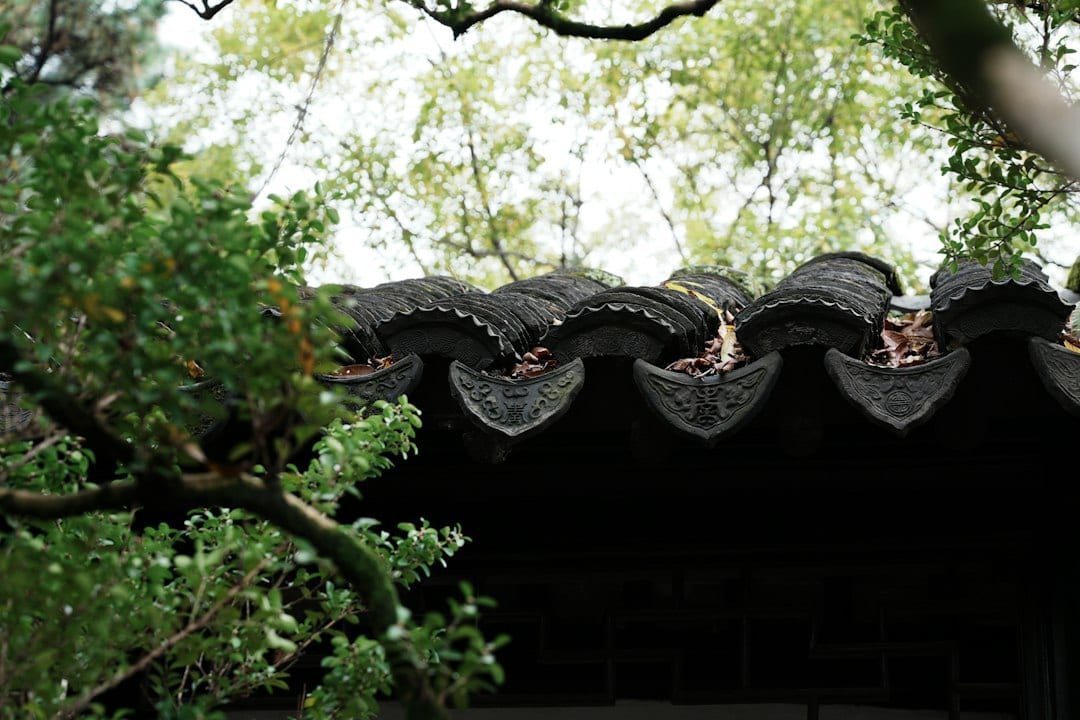
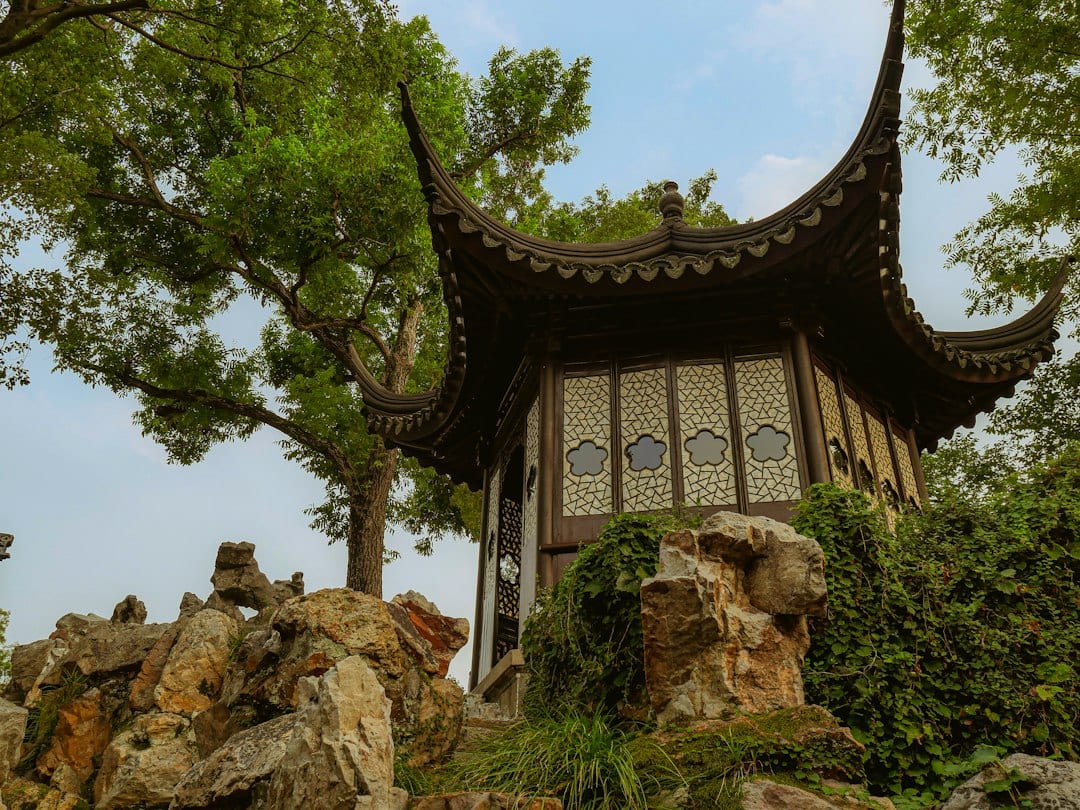
Suzhou's largest classical garden, a UNESCO site where pavilions, ponds, and bamboo groves create a living work of art.
Suggested visit: 2–3 hours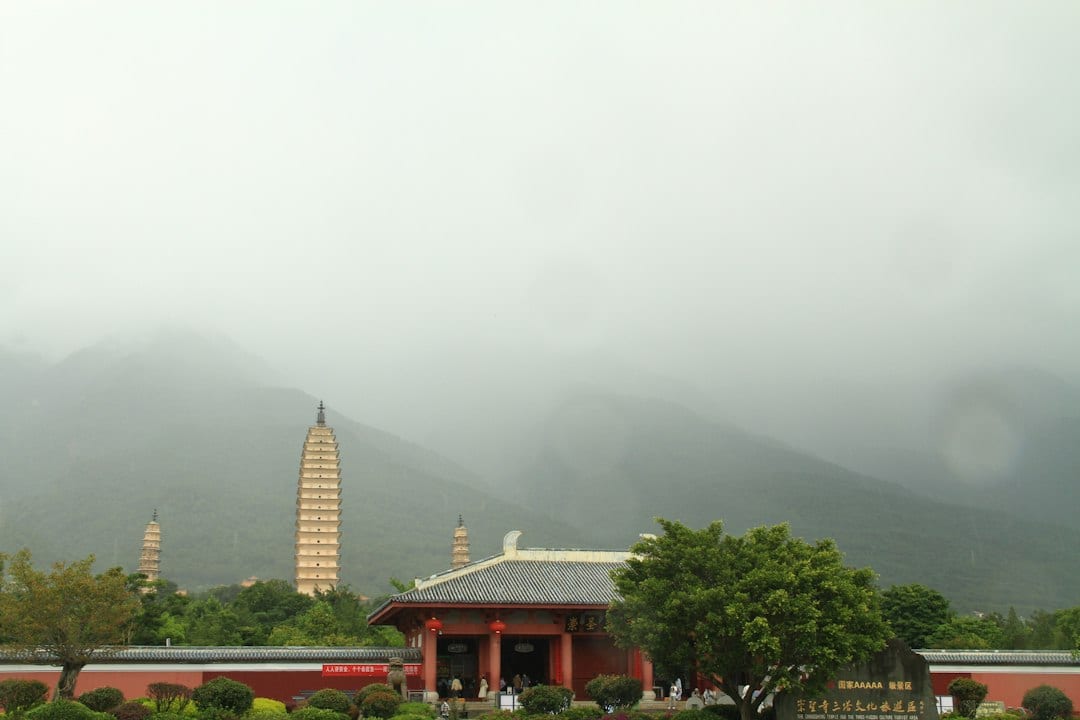
A 1,600-year-old Buddhist sanctuary tucked into forested hills, famous for its cliff carvings and serene mountain air.
Suggested visit: 2–4 hours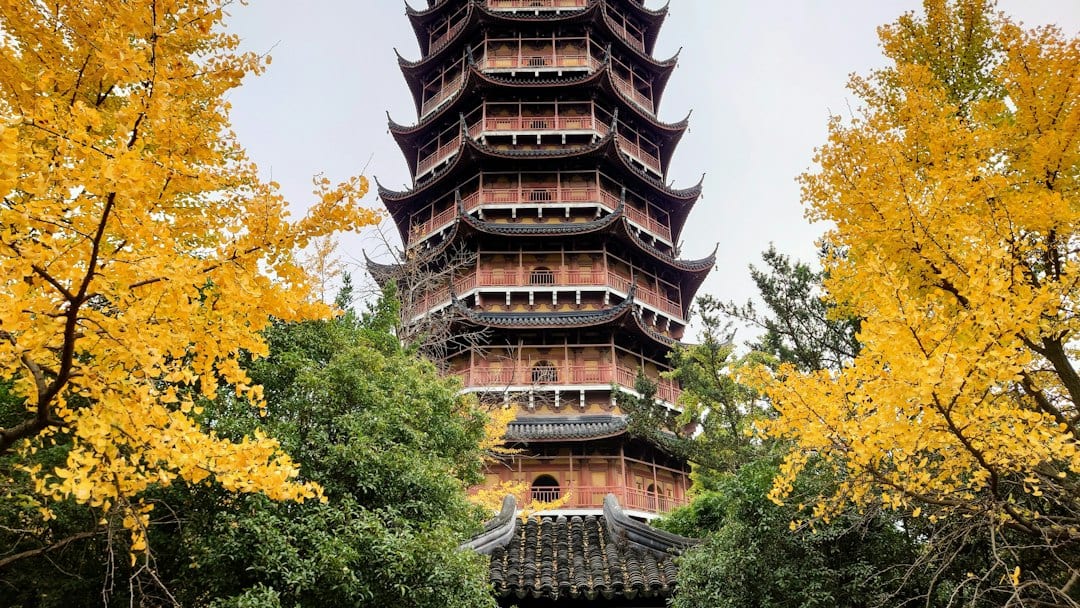
Home to China's leaning Yunyan Pagoda, this Suzhou landmark combines royal legends, gardens, and sweeping city views.
Suggested visit: 2 hours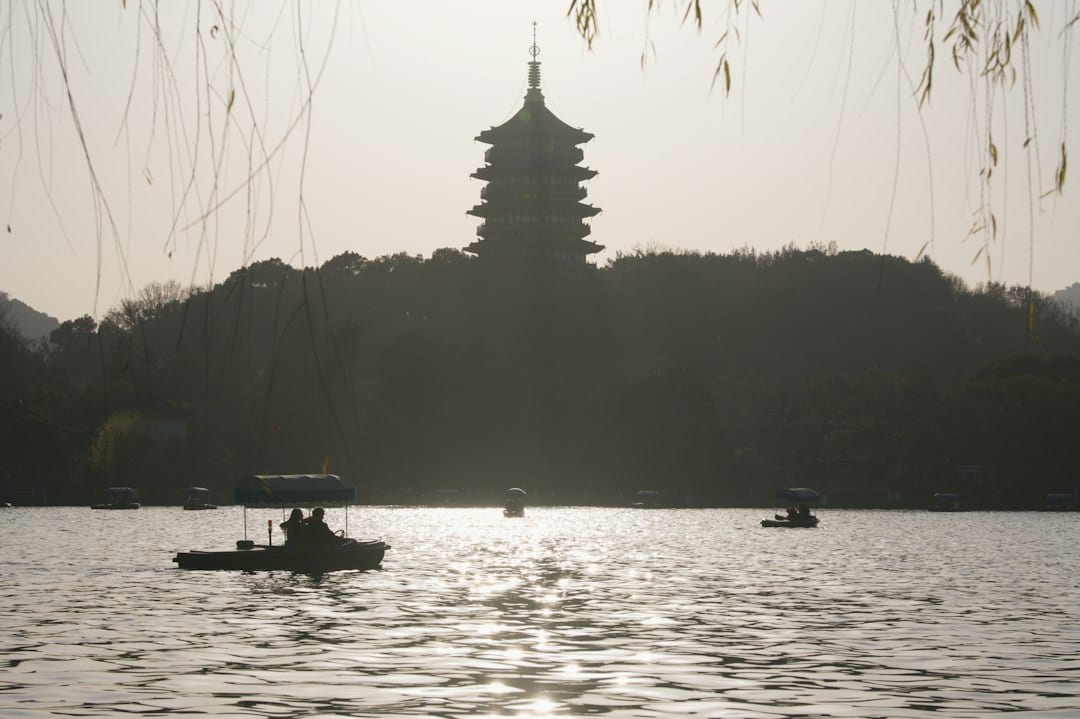
The golden-topped pagoda on West Lake's southern shore, offering panoramic views and a beloved legend at sunset.
Suggested visit: 1–2 hours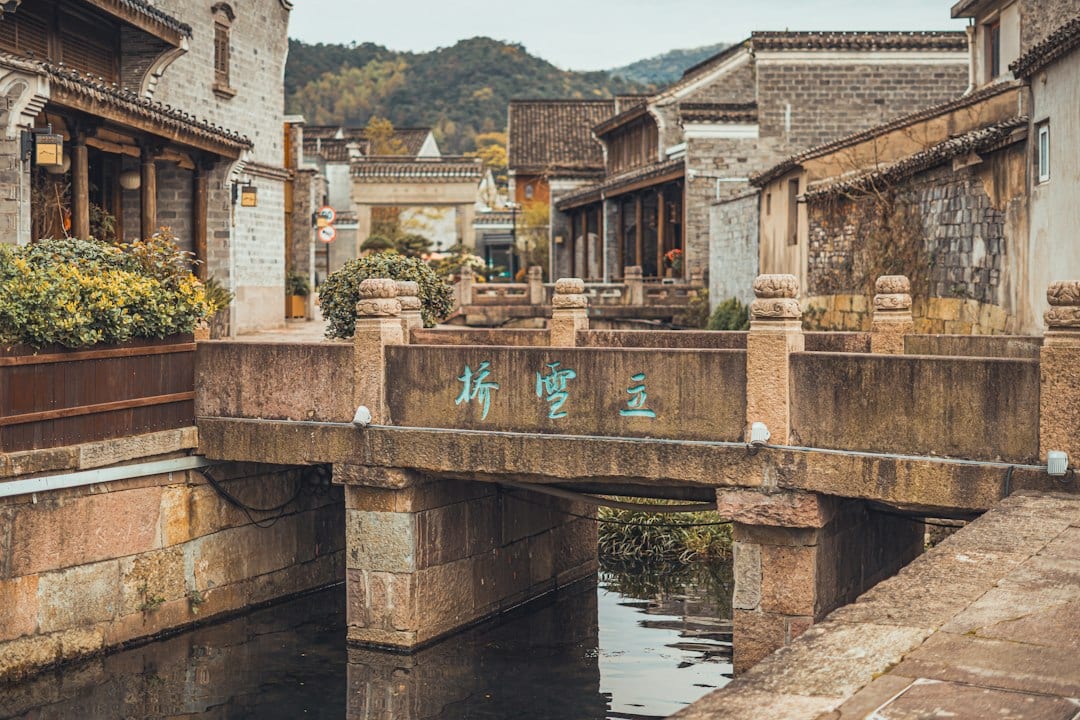
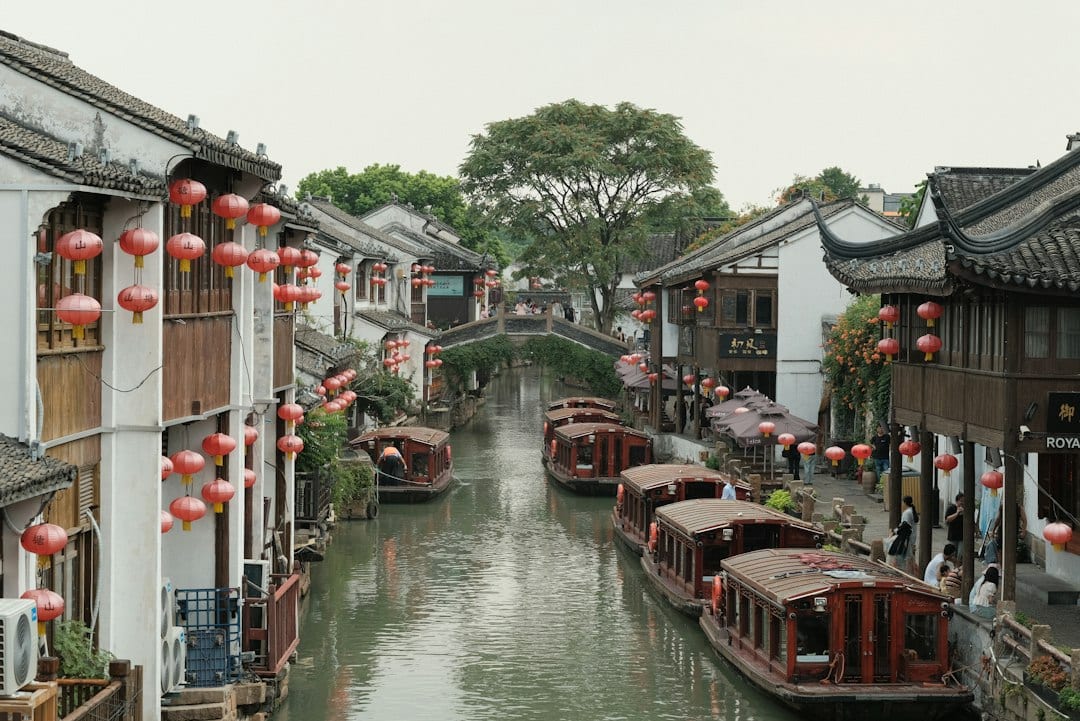
China's most famous water town, where arched stone bridges, wooden boats, and Ming-dynasty houses line the canals.
Suggested visit: half daySuzhou and Hangzhou gave the world delicate dim sum, tea-kissed seafood, and slow-braised comfort dishes best enjoyed locally.
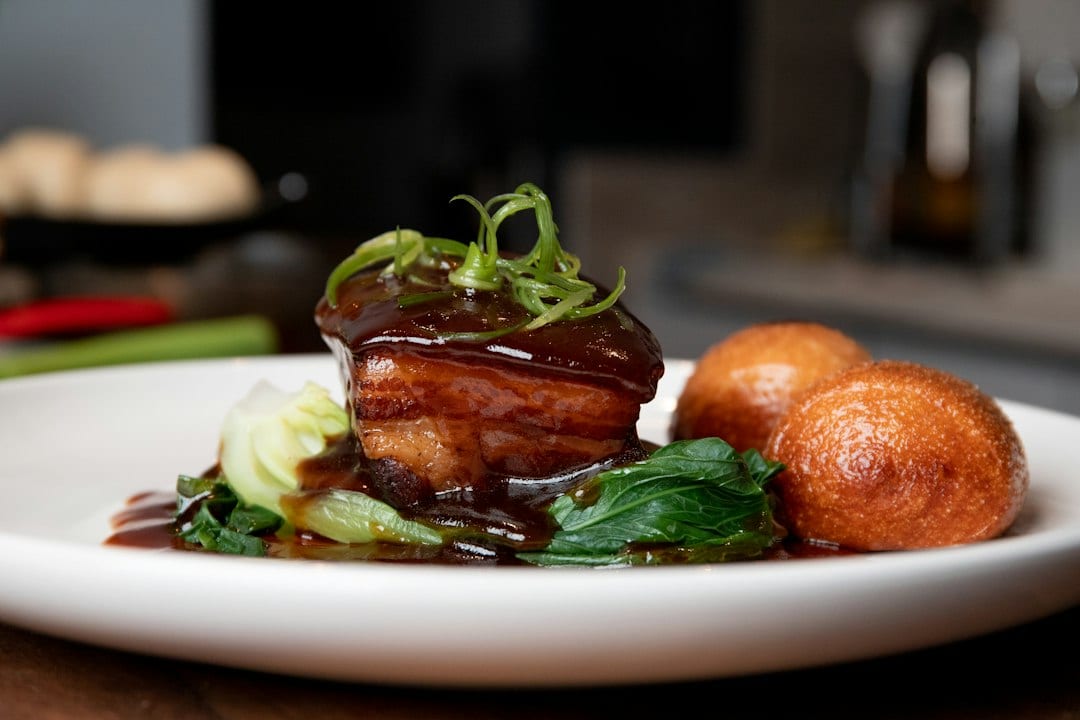
Melt-in-the-mouth braised pork belly named after the Song poet Su Shi. Try it at Hangzhou's time-honored restaurants near West Lake.
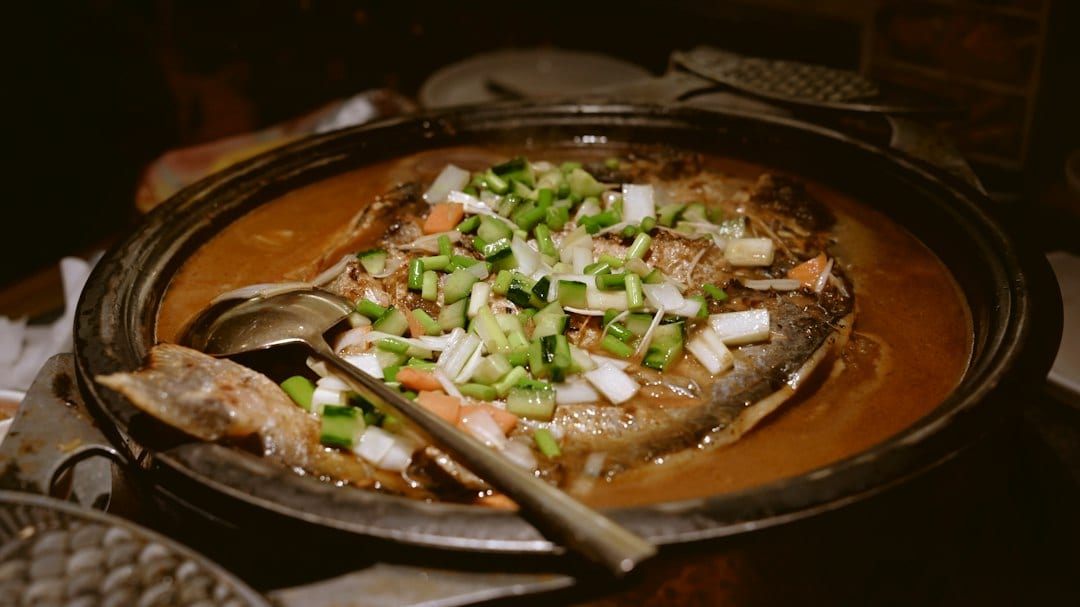
A Hangzhou classic: tender grass carp glazed with a sweet-sour vinegar sauce. Best sampled at lakeside eateries with a view.
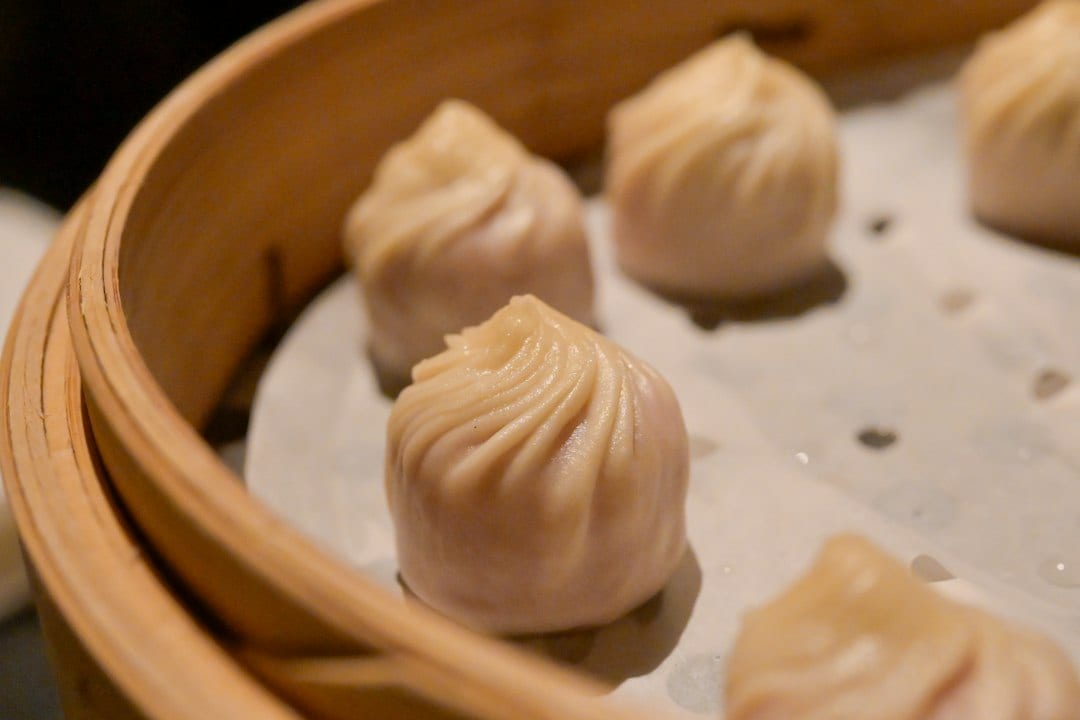
Delicate purses filled with pork and hot broth. Suzhou's crab-roe versions are a seasonal autumn obsession.
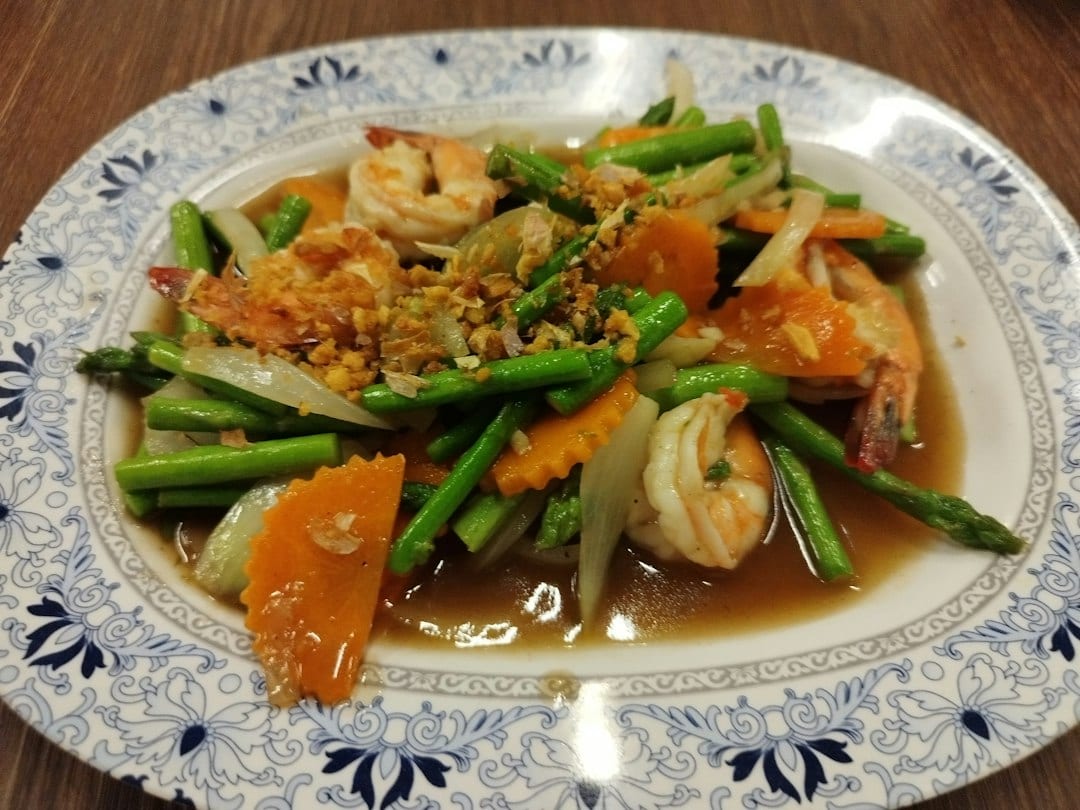
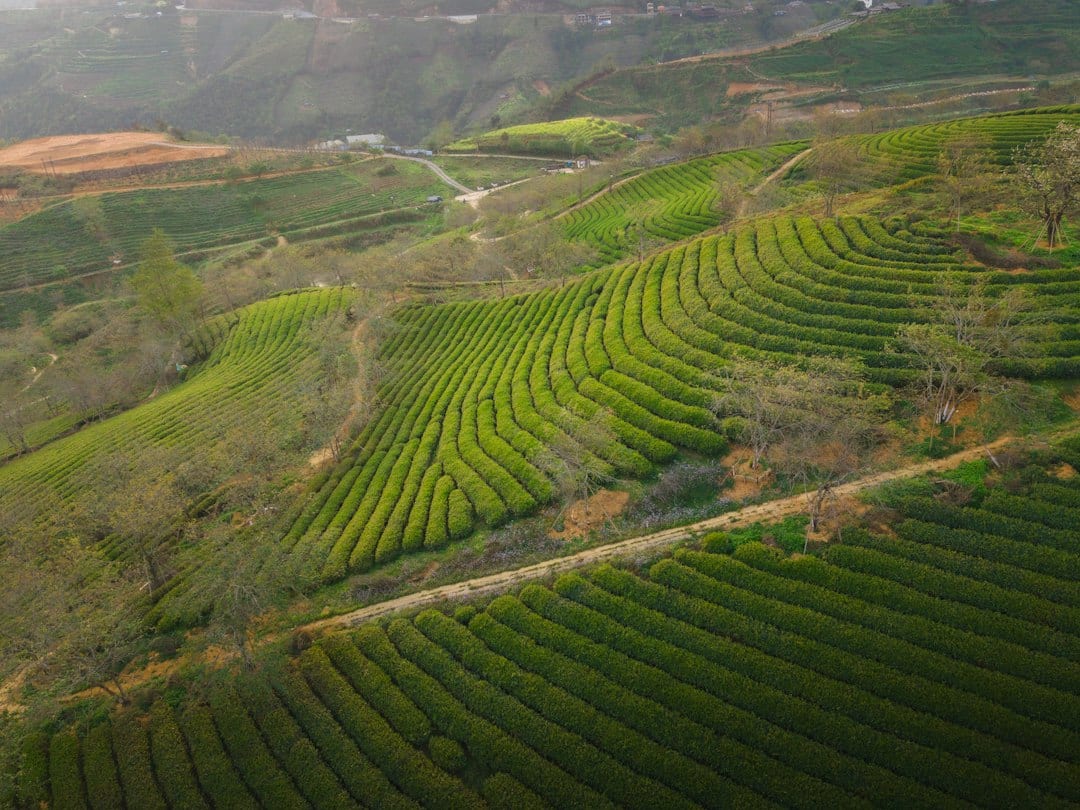
Fresh river shrimp tossed with tender Longjing tea leaves. A light, fragrant Hangzhou specialty tied to the nearby tea terraces.
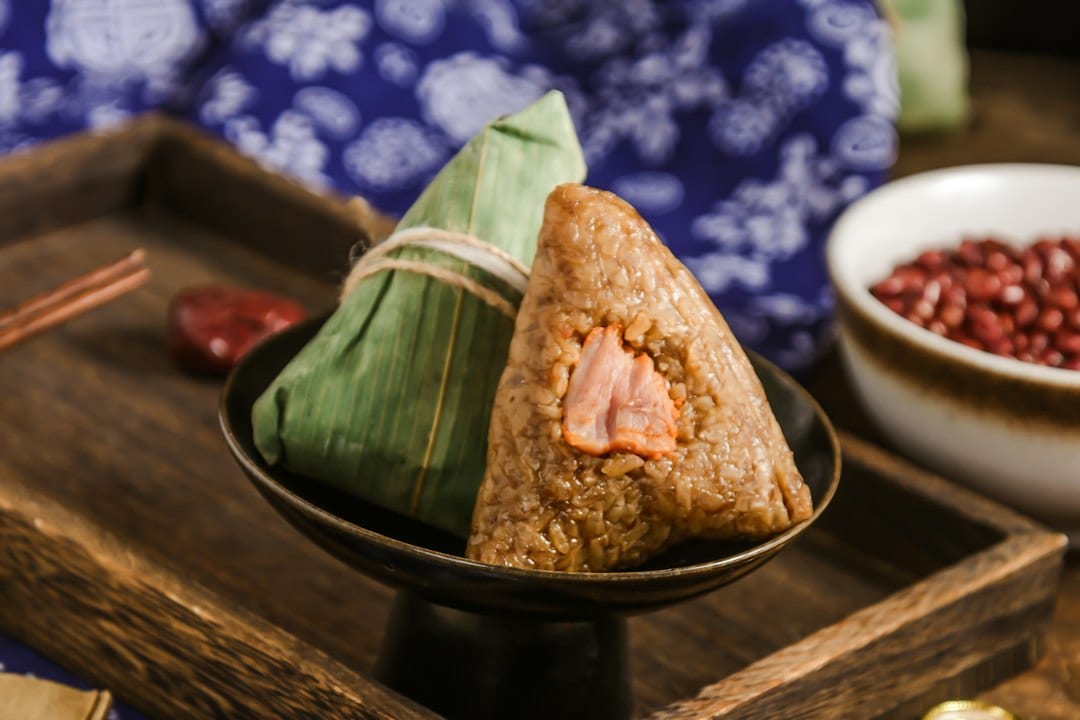
Whole chicken stuffed with herbs, wrapped in lotus leaf and clay, then slow-baked until fall-off-the-bone tender.
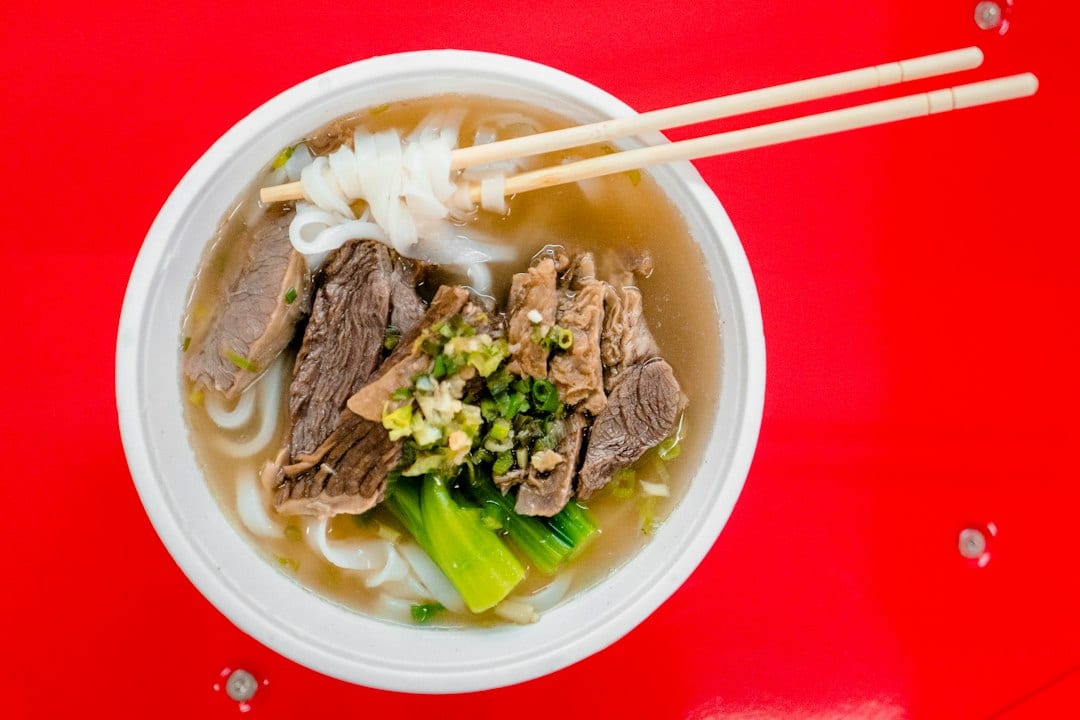
A morning ritual of springy wheat noodles in clear or red broth, topped with braised pork, eel, or seasonal greens.
Both cities are well connected, and the journey between them is a highlight in itself.
The fastest link between Hangzhou and Suzhou, with frequent bullet trains covering the route in about 1.5–2 hours in smooth comfort.
Door-to-door transfers and city tours offer flexibility, especially for reaching water towns, tea villages, and evening lake cruises.
Cruise West Lake or Suzhou's canals by wooden boat, then rent a bike to explore lakeside paths and garden-lined old streets.
Tell us what stirs your curiosity — a private garden walk, a tea-picking morning, a canal sunset cruise — and we will craft an itinerary around it.
Practical answers to help you prepare for your Suzhou and Hangzhou journey.
Most international travelers need a Chinese tourist visa (L visa). Citizens of selected countries may benefit from 144-hour visa-free transit or mutual visa-exemption agreements. Check current rules with your nearest Chinese embassy or consulate before booking.
Spring (March to May) and autumn (September to November) are ideal. Gardens bloom in spring, while autumn brings crisp air, golden ginkgo, and harvest-season cuisine. Summer is hot and humid; winter is quiet but chilly.
The Chinese Yuan (CNY) is used. Mobile payments are widely accepted, but keep cash for small temples and street vendors. Tipping is not customary in mainland China, though guides and drivers appreciate a small gesture for outstanding service.
Both cities are considered safe for visitors. Take usual precautions with belongings in crowded areas, use licensed taxis or ride-hailing apps, and carry your hotel address in Chinese. Tap water is not drinkable; stick to bottled or boiled water.
Pack comfortable walking shoes for garden paths and cobblestones, light layers for variable spring and autumn weather, rain gear, sunscreen, and a power adapter. Modest clothing is recommended for temple visits.
Major holidays include Chinese New Year (January or February), Qingming Festival, Labor Day (early May), Dragon Boat Festival, Mid-Autumn Festival, and National Day Golden Week (early October). Expect larger crowds and higher prices during these periods.
Let our local experts design a Suzhou and Hangzhou itinerary that matches your pace, interests, and travel style — from garden breakfasts to sunset lake cruises.
Start Planning My Trip