
Chengdu Research Base of Giant Panda Breeding
Visit pandas at their most active in the morning, then stroll bamboo-lined paths and see red pandas.
Suggested: 3–4 hours
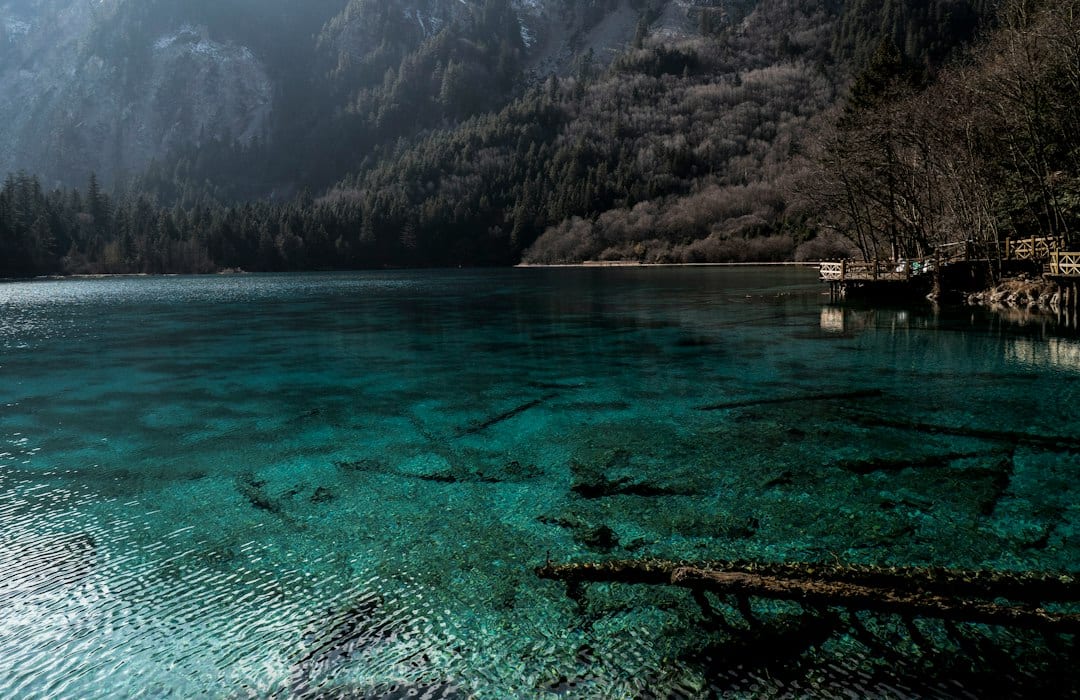

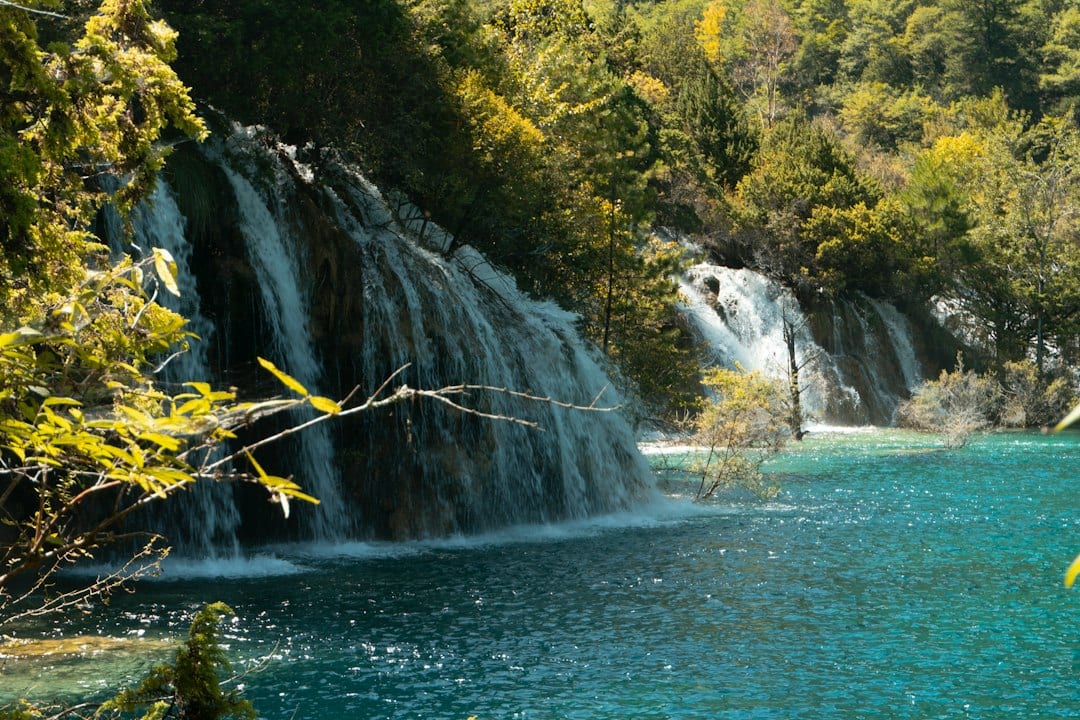
Wander boardwalks above water that shifts from turquoise to emerald in Jiuzhaigou Valley.
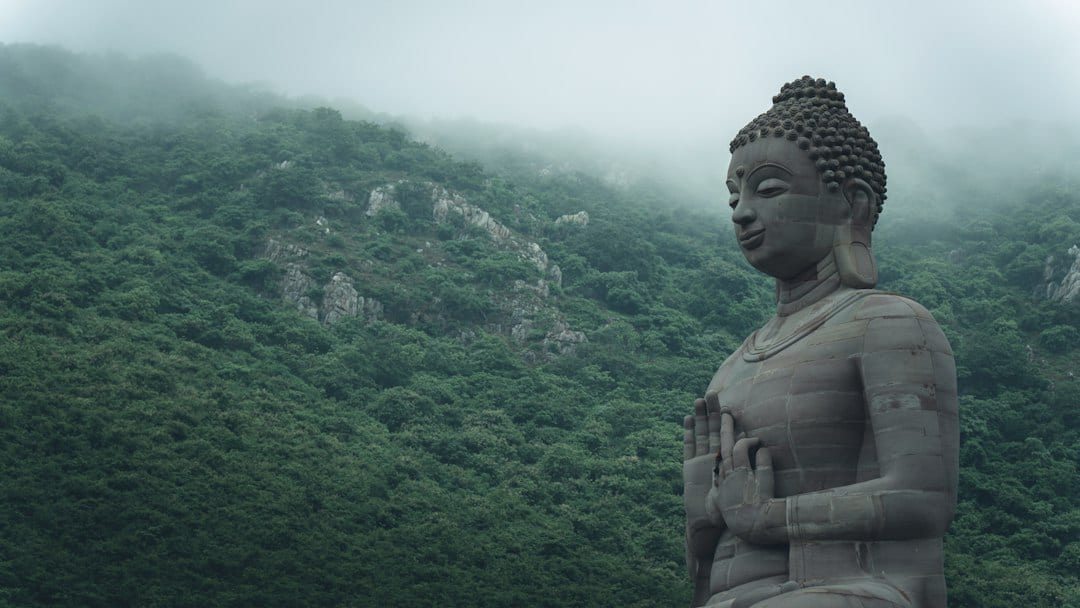
Sichuan is where China’s wild heart meets its warmest hospitality. In a single trip you can visit UNESCO-listed national parks, come face-to-face with giant pandas, cruise beneath the world’s largest stone Buddha, and eat meals so flavorful they’ll reset your spice benchmark.
From pandas and peaks to ancient engineering, these are the Sichuan highlights worth building a trip around.
Visit pandas at their most active in the morning, then stroll bamboo-lined paths and see red pandas.
Suggested: 3–4 hoursA fairyland of multi-colored lakes, waterfalls, and Tibetan villages in a protected mountain valley.
Suggested: 2 daysThe 71-meter Tang-dynasty Buddha is best admired from a river boat or the cliffside path.
Suggested: 3–4 hours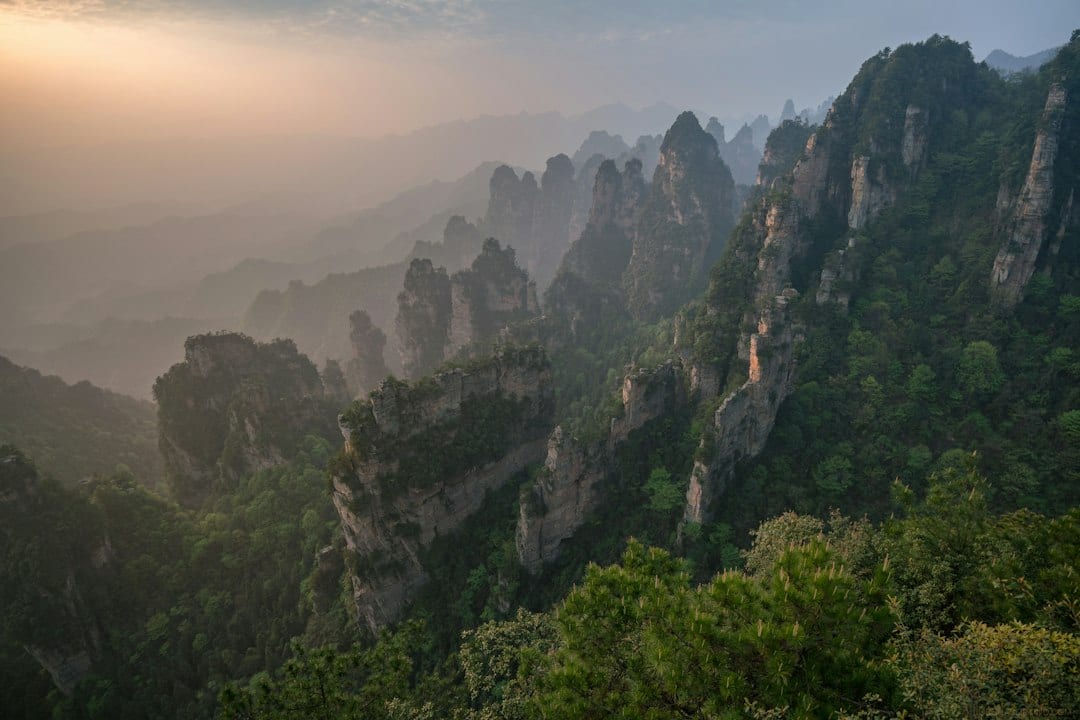
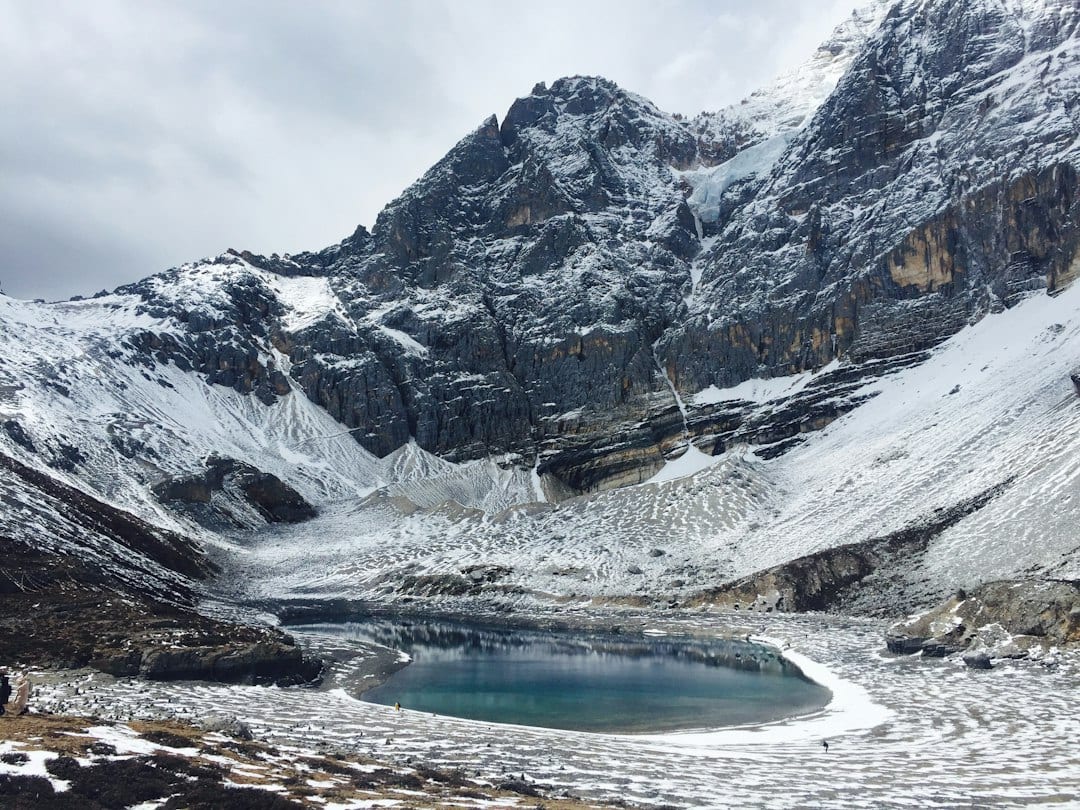
Calcite terraces, glowing pools, and snow peaks make this a natural companion to Jiuzhaigou.
Suggested: 4–5 hours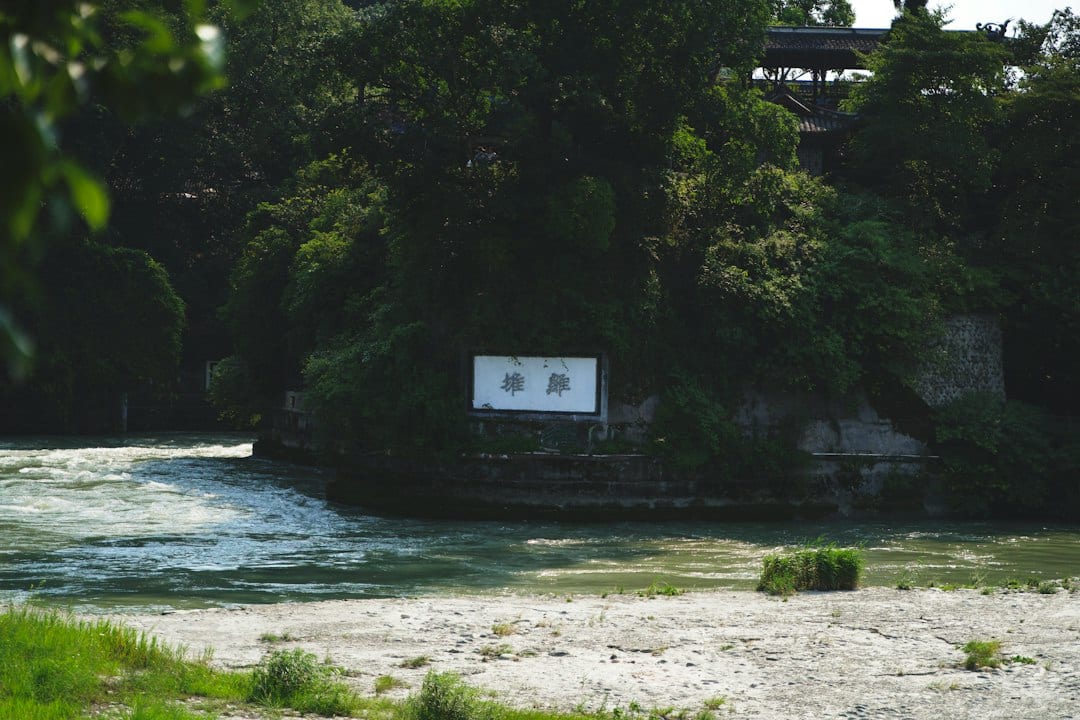
A 2,200-year-old engineering marvel that still tames the Min River and waters the Chengdu plain.
Suggested: 2–3 hours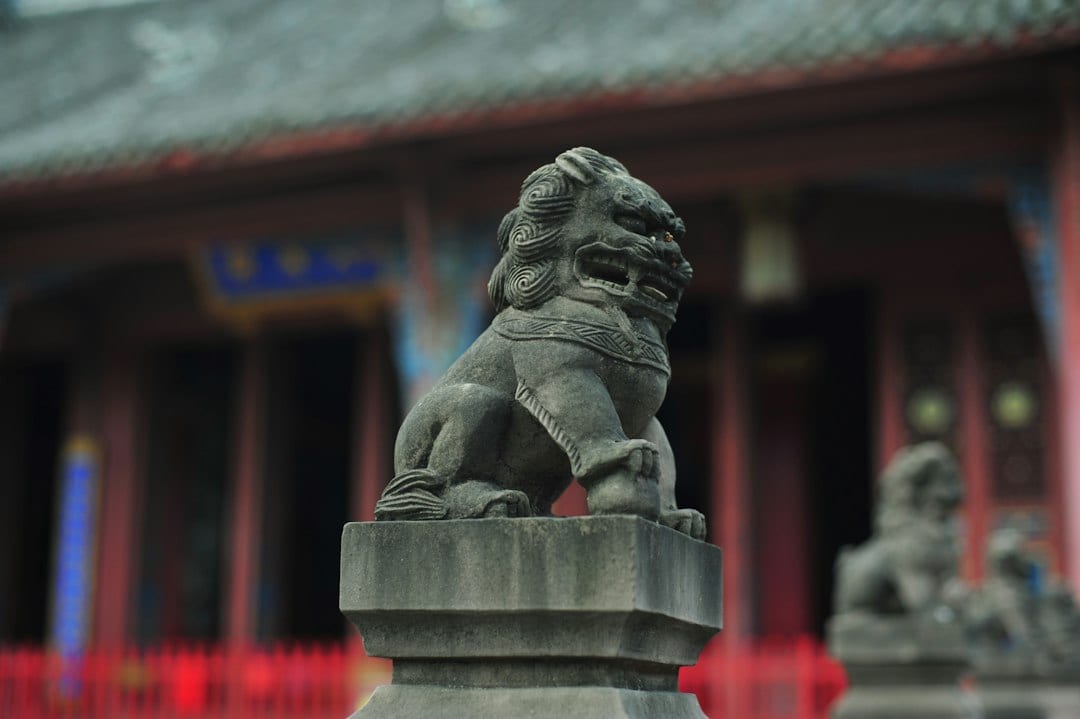
The birthplace of Taoism offers shaded hiking trails, ancient temples, and a peaceful mountain atmosphere.
Suggested: half dayWide curtain falls and rushing cascades connect the valley’s famous lakes at every turn.
Suggested: included in park visitHigh-altitude grasslands, Tibetan towns, and dramatic peaks for travelers with a little extra time.
Suggested: 2–4 daysBold, numbing, fragrant, and addictive — these dishes are the soul of the province.
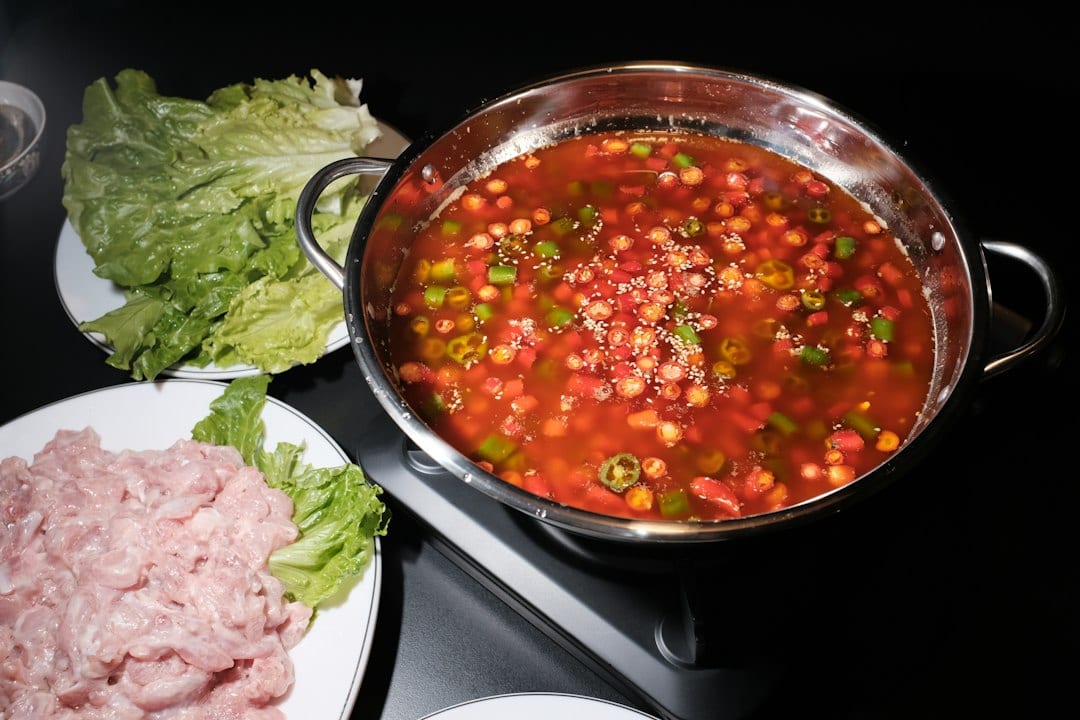
A bubbling cauldron of chili, Sichuan pepper, and beef tallow. Try it at Hai Di Lao or a neighborhood Chongqing-style restaurant in Chengdu.
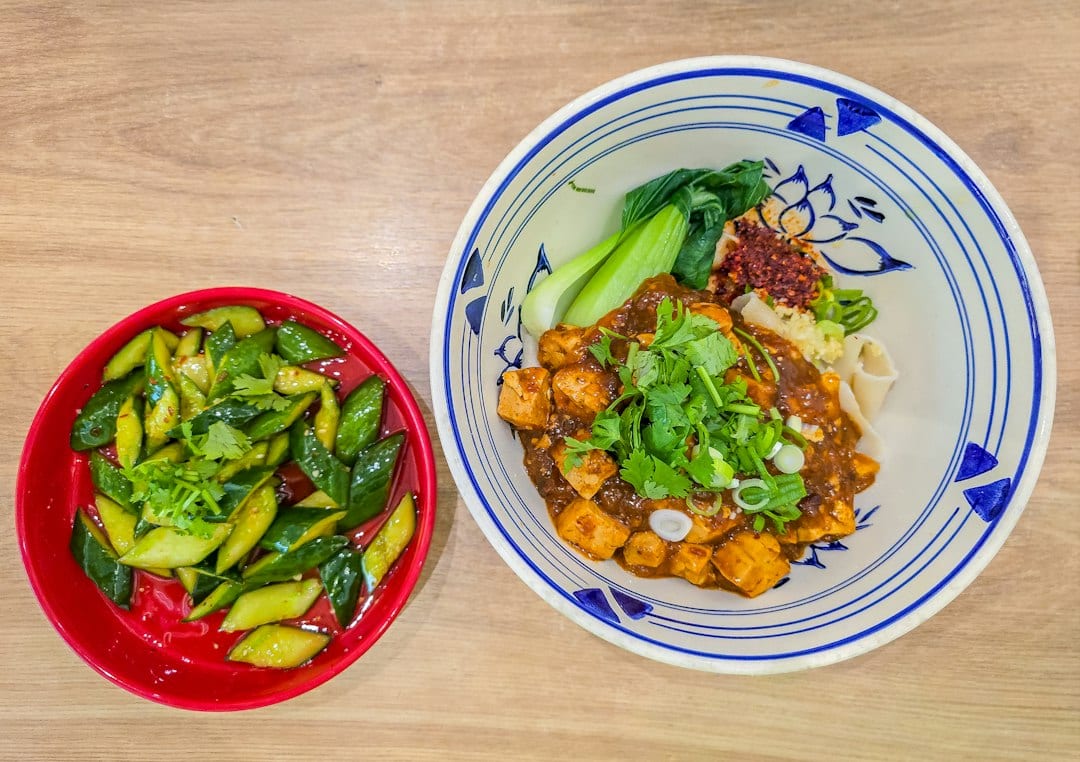
Silken tofu in a fiery sauce of fermented beans, minced pork, and numbing pepper. The original recipe comes from Chengdu’s Chen Mapo Doufu.
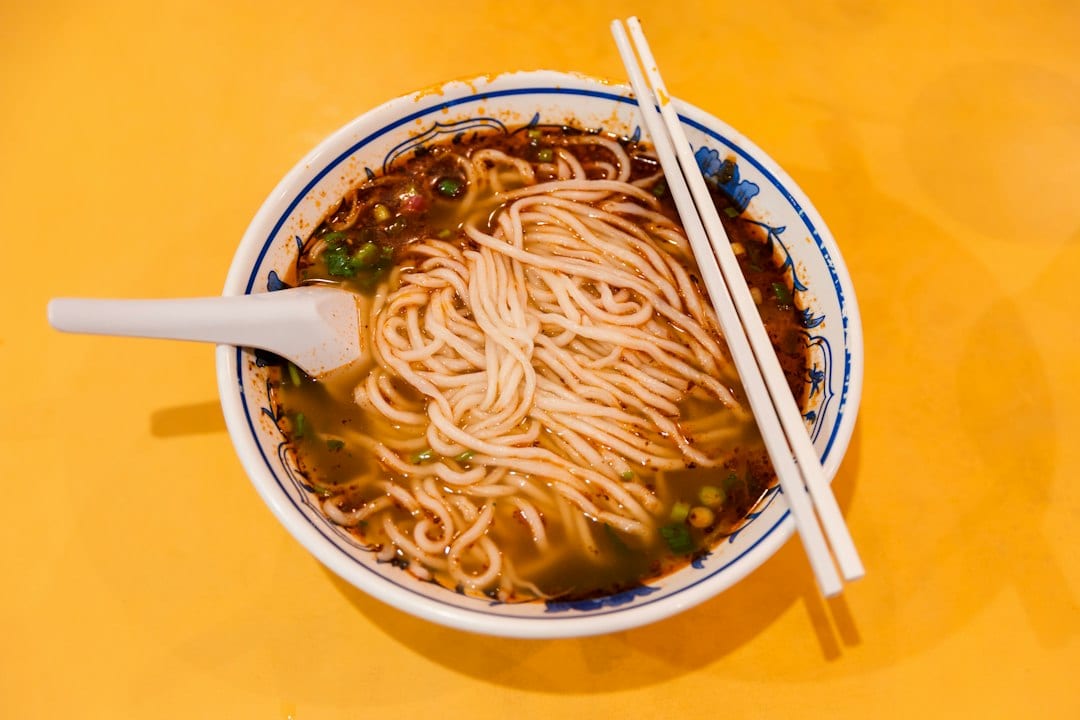
Springy wheat noodles tossed with preserved vegetables, chili oil, sesame paste, and minced pork from street carts and noodle shops.
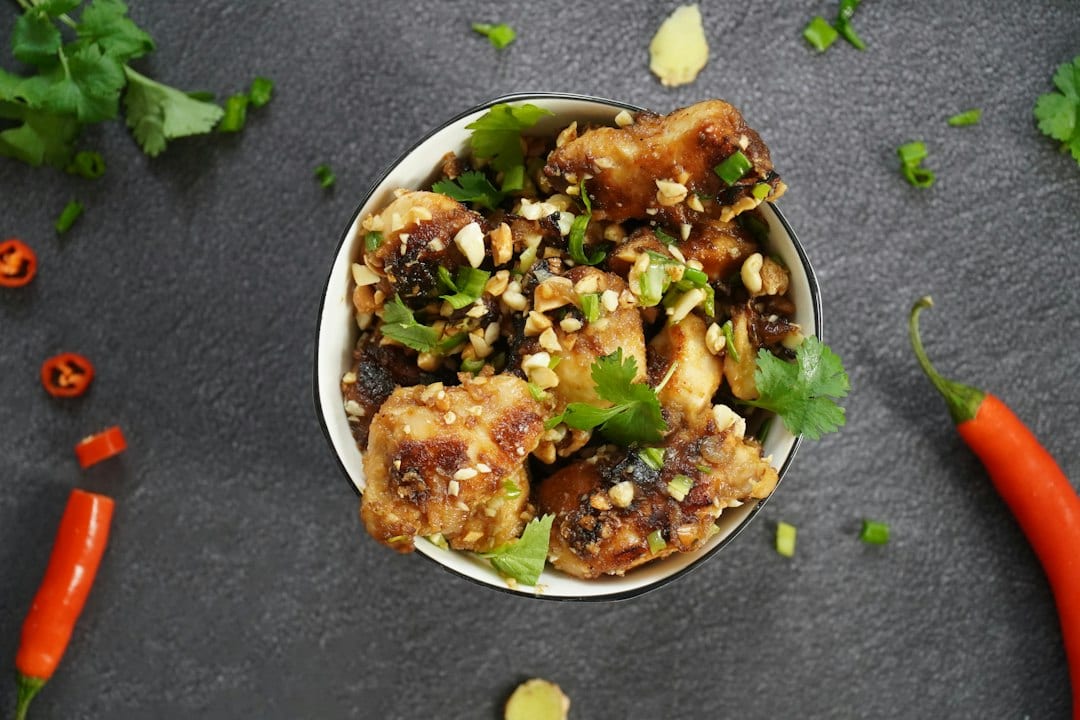
Tender chicken, peanuts, dried chilies, and scallions in a tangy sauce. Order the authentic Sichuan version for extra málà heat.
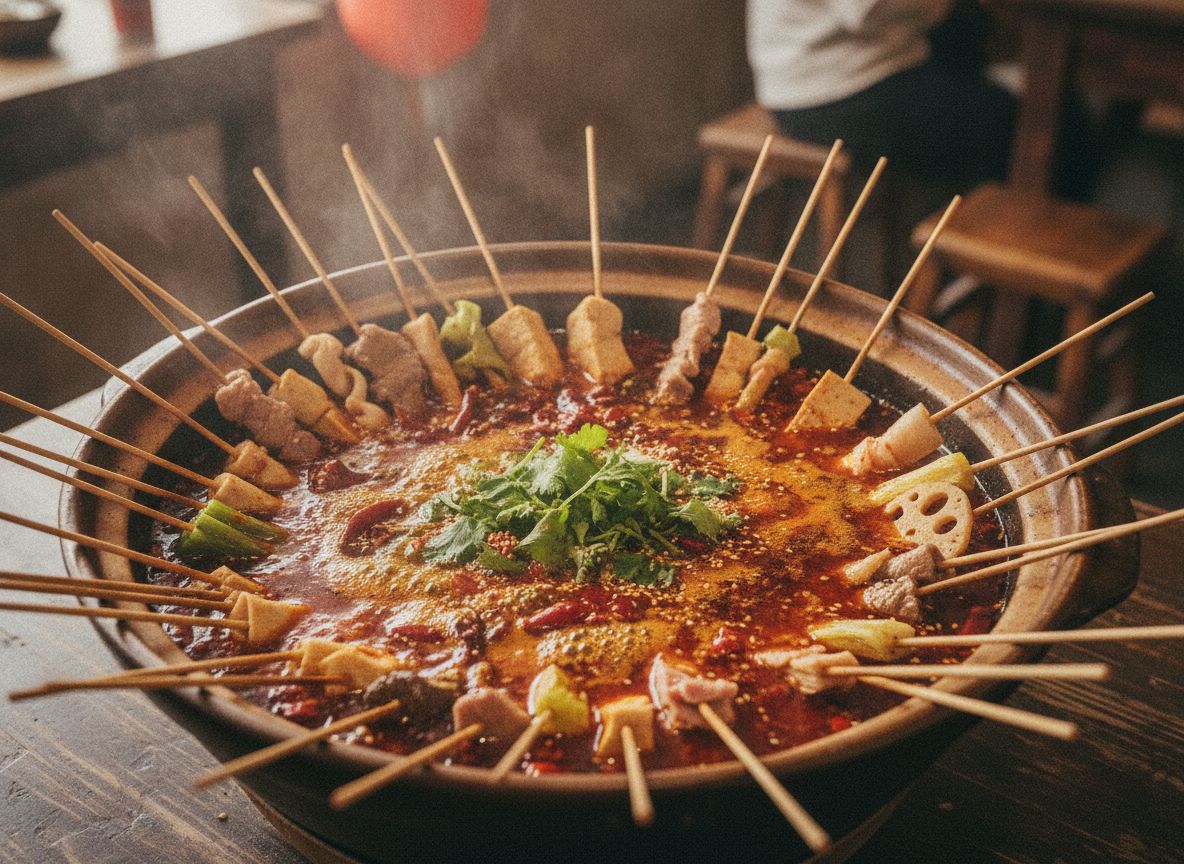
Skewers of meat and vegetables cooked in communal spicy broth — casual, social, and found all over Chengdu’s night streets.
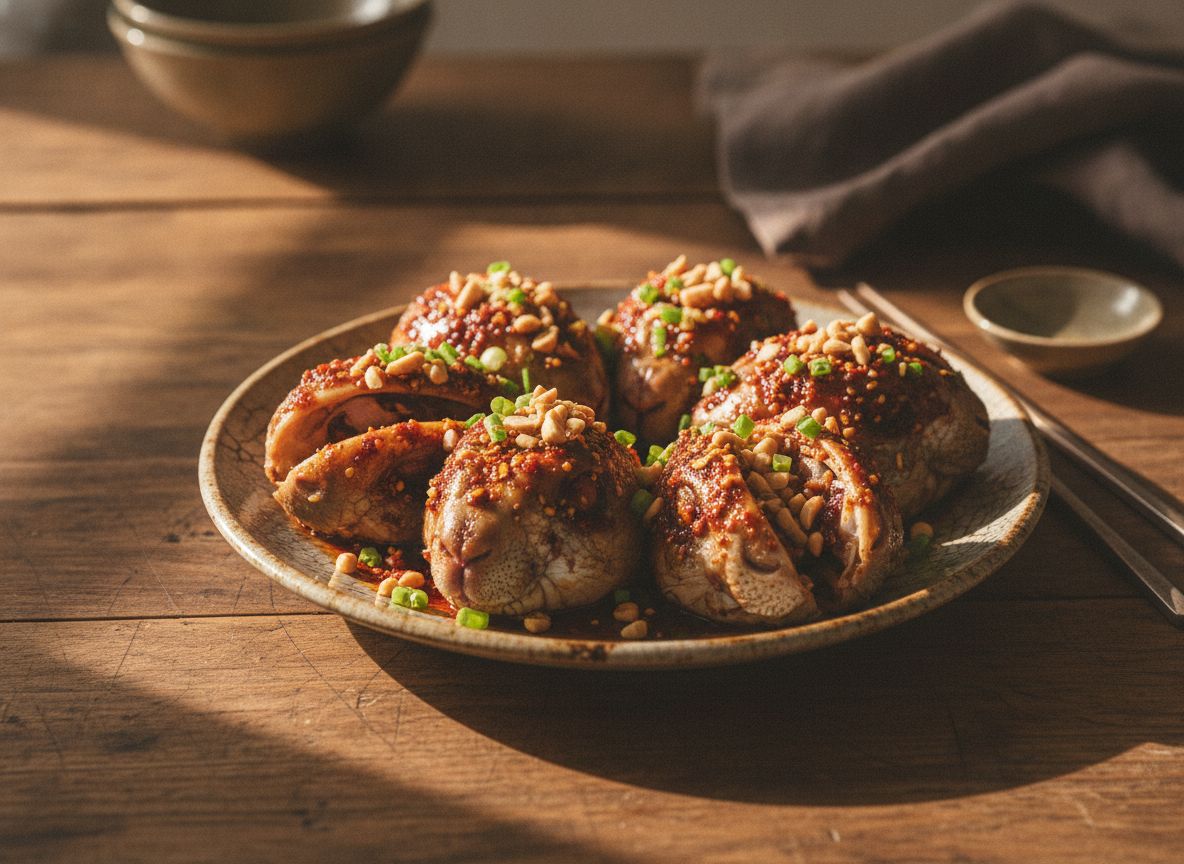
A Chengdu late-night specialty: braised rabbit heads coated in chili oil and peanuts. Best tackled with gloves and a cold beer.
Chengdu is the gateway. From there, choose the mode that fits your itinerary and pace.
Chengdu Tianfu and Shuangliu airports serve international and domestic flights. Direct routes reach Beijing, Shanghai, Xi’an, Lhasa, and many Asian hubs.
Chengdu connects by bullet train to Leshan, Emei, Dujiangyan, and Chongqing in 30 minutes to 2 hours — fast, scenic, and reliable.
A chartered vehicle is the most flexible way to reach Jiuzhaigou, Huanglong, and the western plateau at your own pace with a local driver.
Tell us what you love — pandas, photography, hiking, food, or all of the above — and we’ll craft a custom itinerary around your dates and pace.
Our Sichuan specialists reply within one business day, usually sooner.
Practical answers to help you plan with confidence.
Most international travelers need a Chinese tourist visa. Chengdu offers a 144-hour visa-free transit option for eligible nationalities arriving from selected countries.
Autumn (September to November) is ideal for clear skies and colorful foliage. Spring is mild and green, while winter brings fewer crowds and occasional snow in the mountains.
Sichuan uses the Chinese Yuan (CNY). Tipping is not customary in mainland China, though high-end hotels may add a service charge.
Sichuan is generally safe. Take normal precautions with valuables, follow altitude-acclimatization advice in high areas, and keep emergency contacts handy.
Pack layers, a waterproof jacket, comfortable walking shoes, sunscreen, lip balm, and altitude-sickness medication if you plan to visit the western plateau.
Major holidays include Chinese New Year, May Day (May 1), and National Day Golden Week (October 1–7). Transport and attractions are busiest during these periods, so book early.
Let our local experts design a trip that matches your pace, interests, and budget.
Plan Your Trip