Why Visit
Experience rare alpine scenery, ancient monasteries, warm Tibetan hospitality, and some of the most photogenic landscapes on Earth.
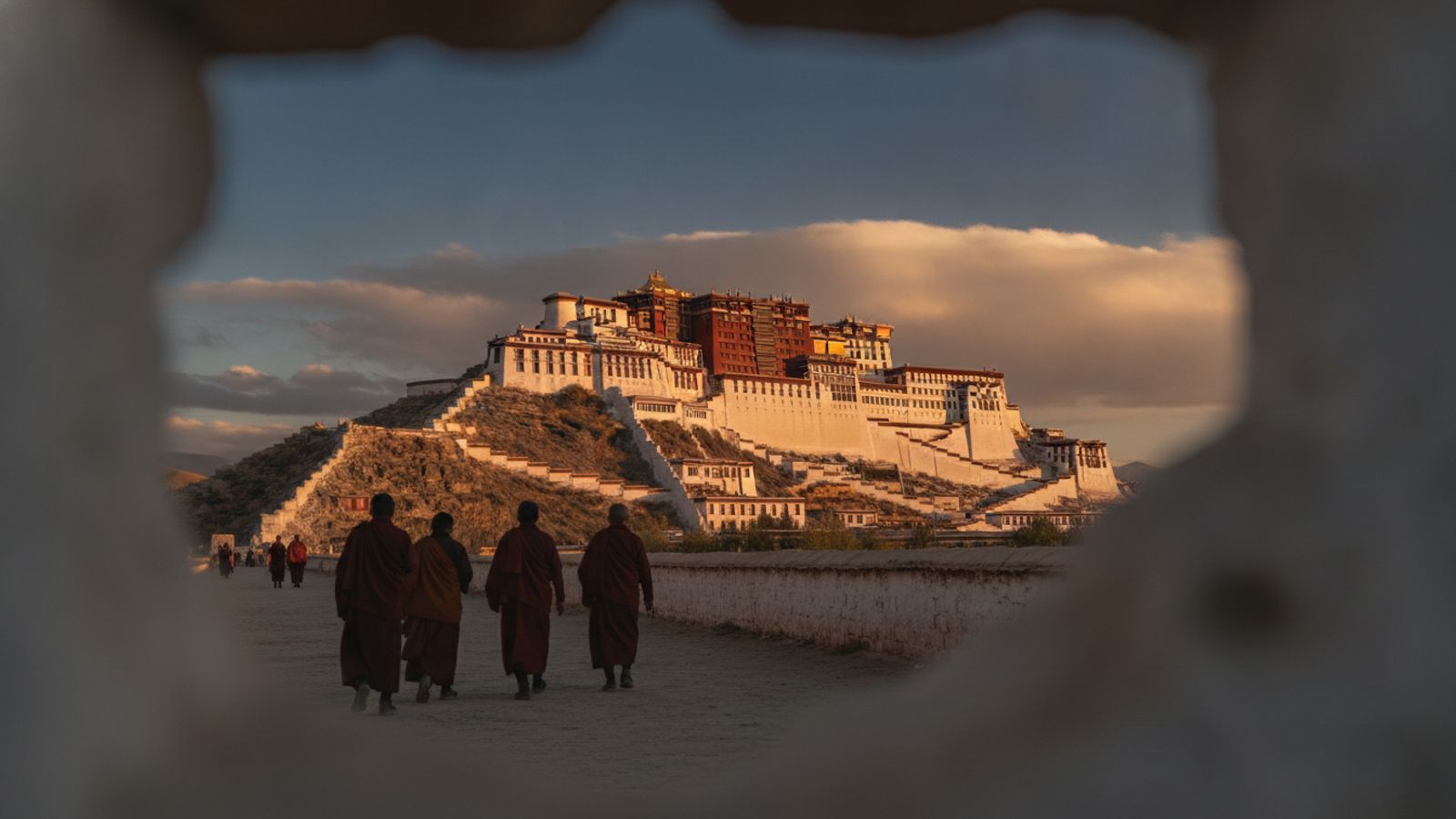
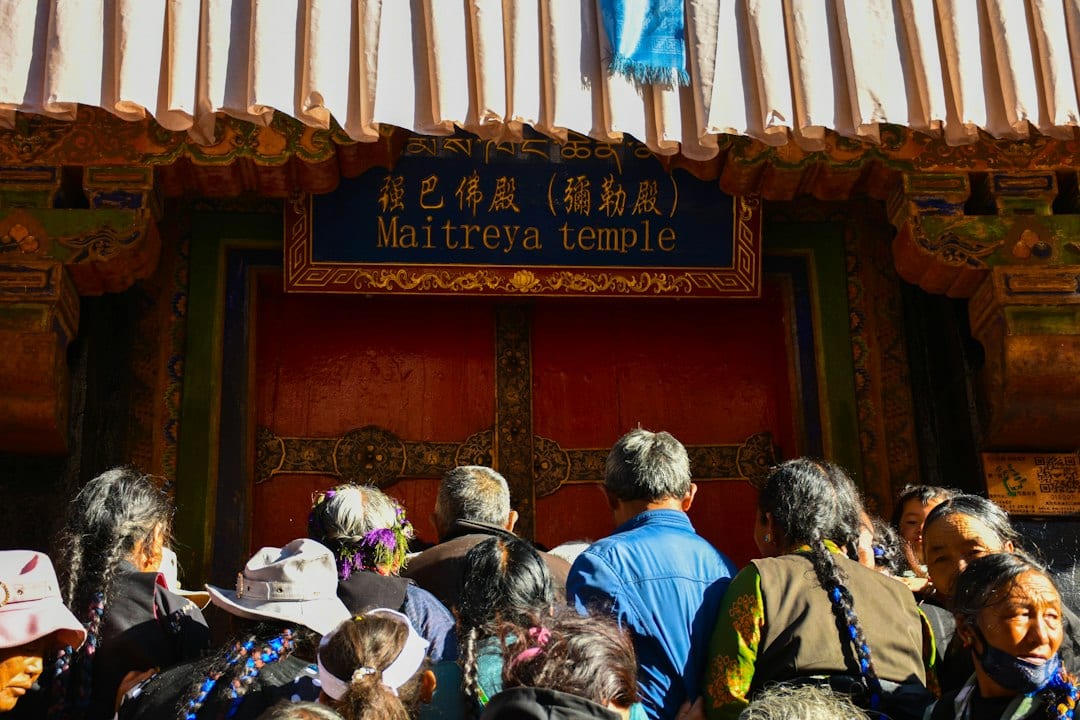
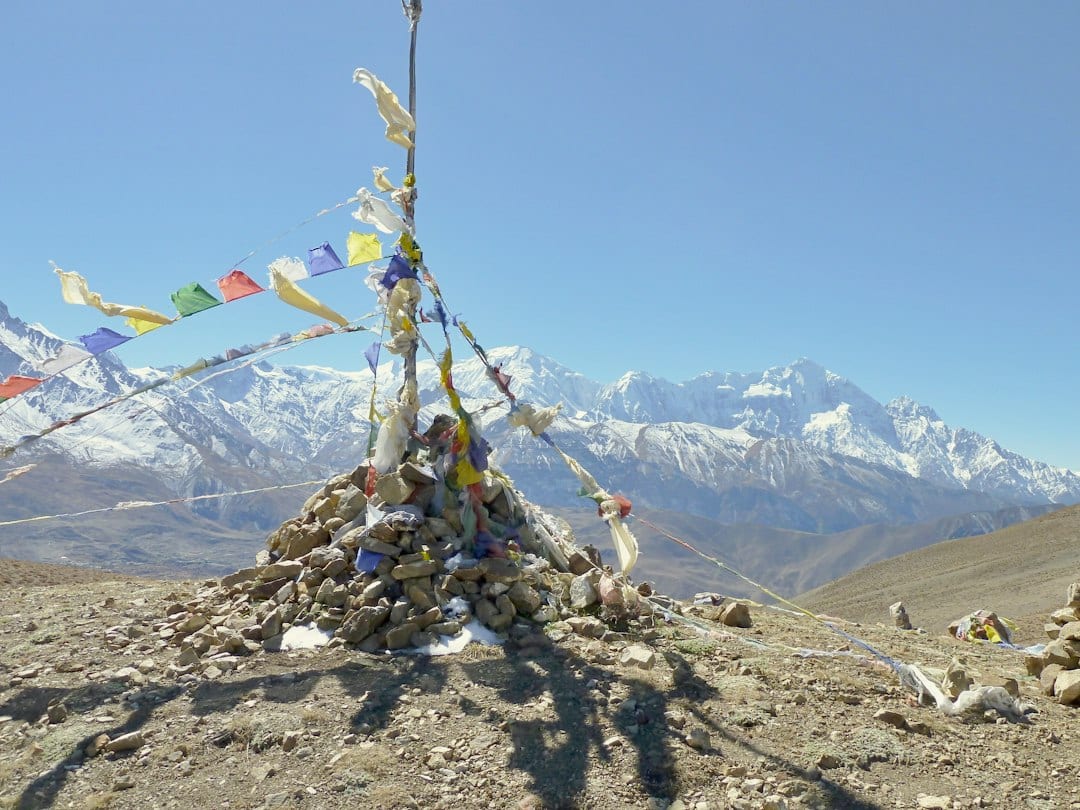
Walk the corridors of the world's highest ancient palace and feel centuries of Tibetan spiritual heritage.
Tibet is a land of vast plateaus, soaring peaks, and deeply rooted Buddhist culture. From the golden rooftops of Lhasa to the shores of high-altitude lakes, every day here feels like a journey through both landscape and spirit.
Experience rare alpine scenery, ancient monasteries, warm Tibetan hospitality, and some of the most photogenic landscapes on Earth.
April to October offers the clearest skies and most accessible roads. May–June and September–October are ideal for trekking and photography.
Most travelers spend 6–10 days covering Lhasa, the lakes, and Everest Base Camp. Shorter 4-day Lhasa city trips are also popular.
The Chinese Yuan (CNY) is used. Mandarin and Tibetan are widely spoken; your guide will handle translations and local arrangements.
From UNESCO-listed palaces to sacred lakes and the world’s highest peaks, these are the places that make Tibet unforgettable.
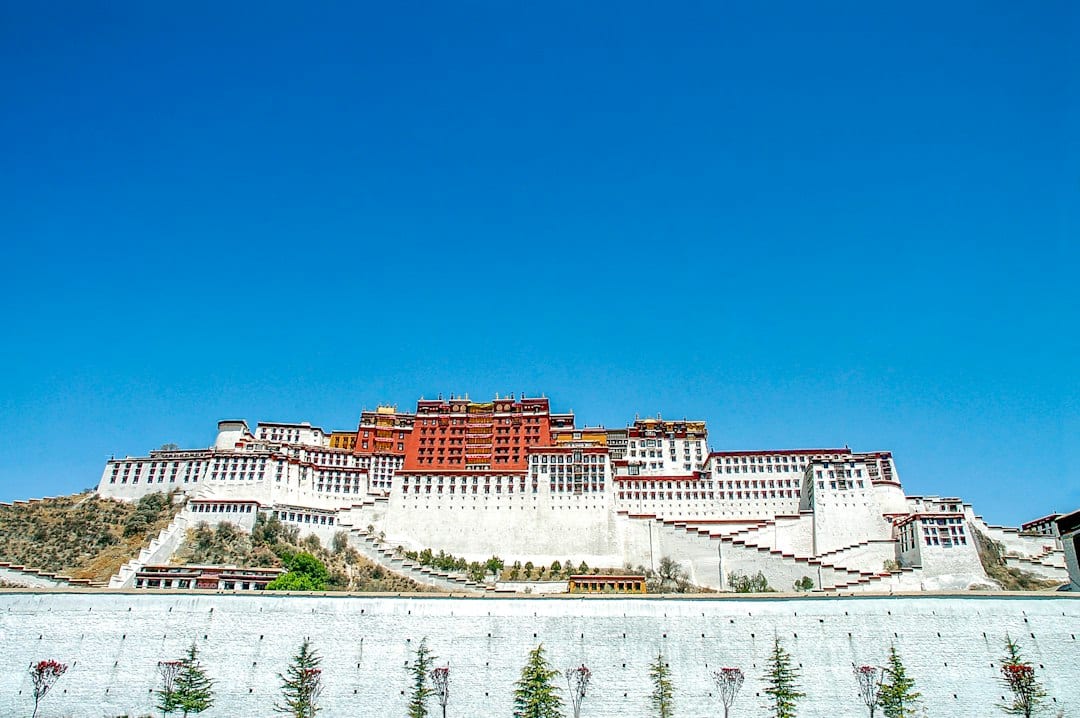
The former residence of the Dalai Lamas and a UNESCO World Heritage Site, towering over Lhasa with over 1,000 rooms of art and history.
Suggested Visit: 2–3 hours
Tibet’s most sacred temple, drawing pilgrims from across the plateau. Its golden Buddha statue and Barkhor kora are essential Lhasa experiences.
Suggested Visit: 1.5–2 hours
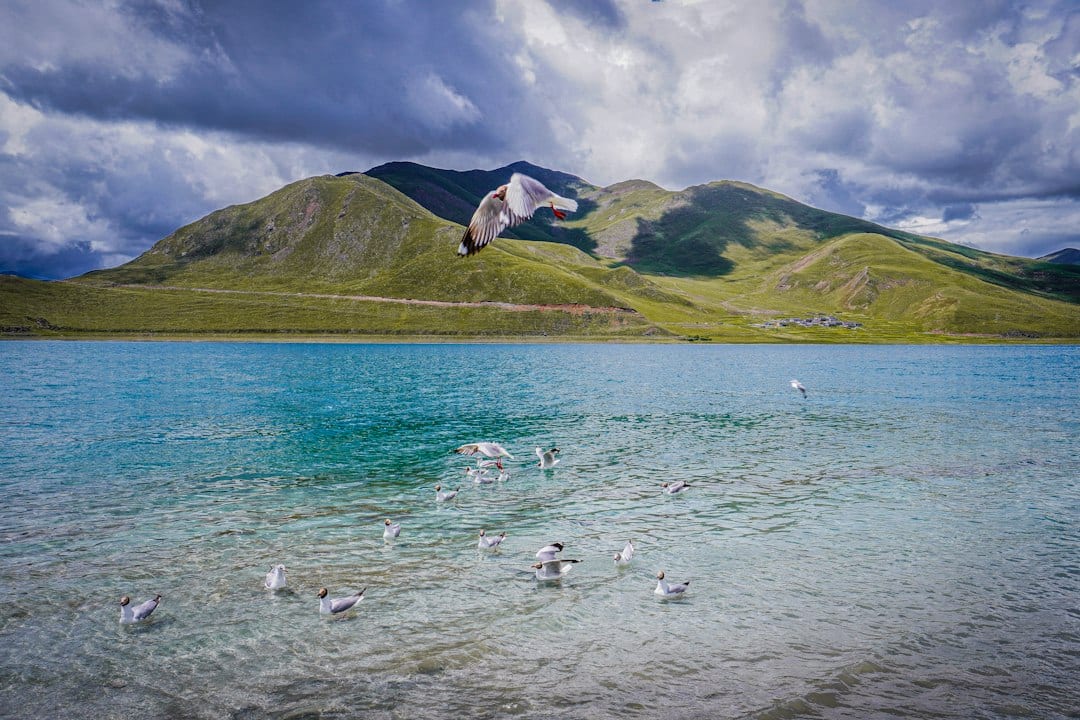
A vast turquoise saltwater lake sitting above 4,700 meters. Sunrises here paint the water in shifting shades of blue and gold.
Suggested Visit: Half day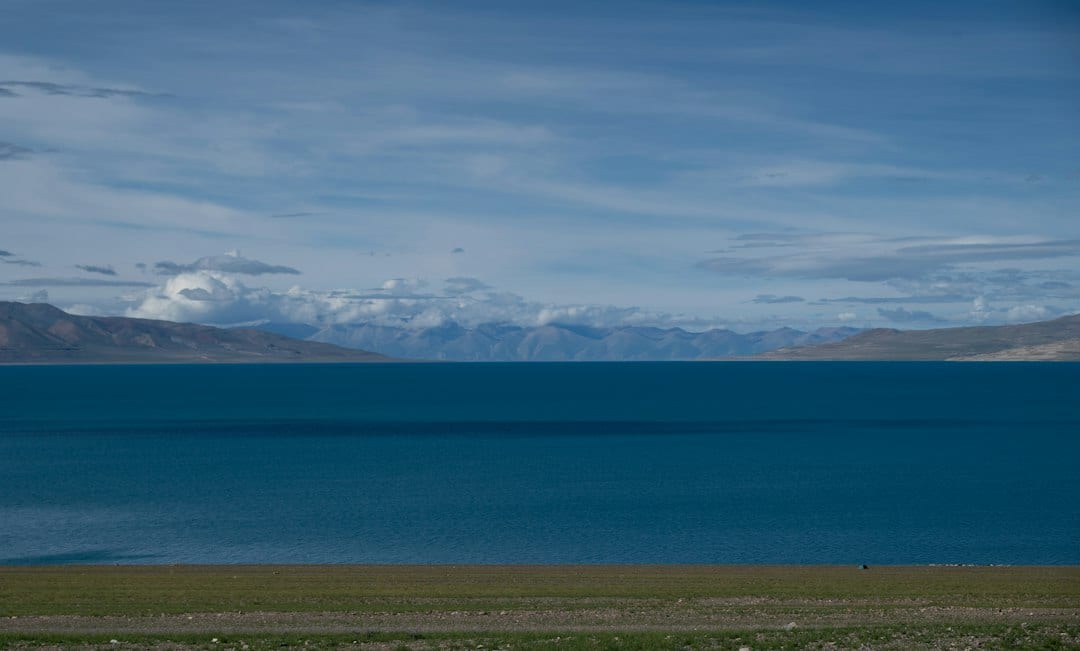
Known as the “Scorpion Lake” for its shape, this sacred body of water flashes emerald and sapphire between Lhasa and Shigatse.
Suggested Visit: 1–2 hours
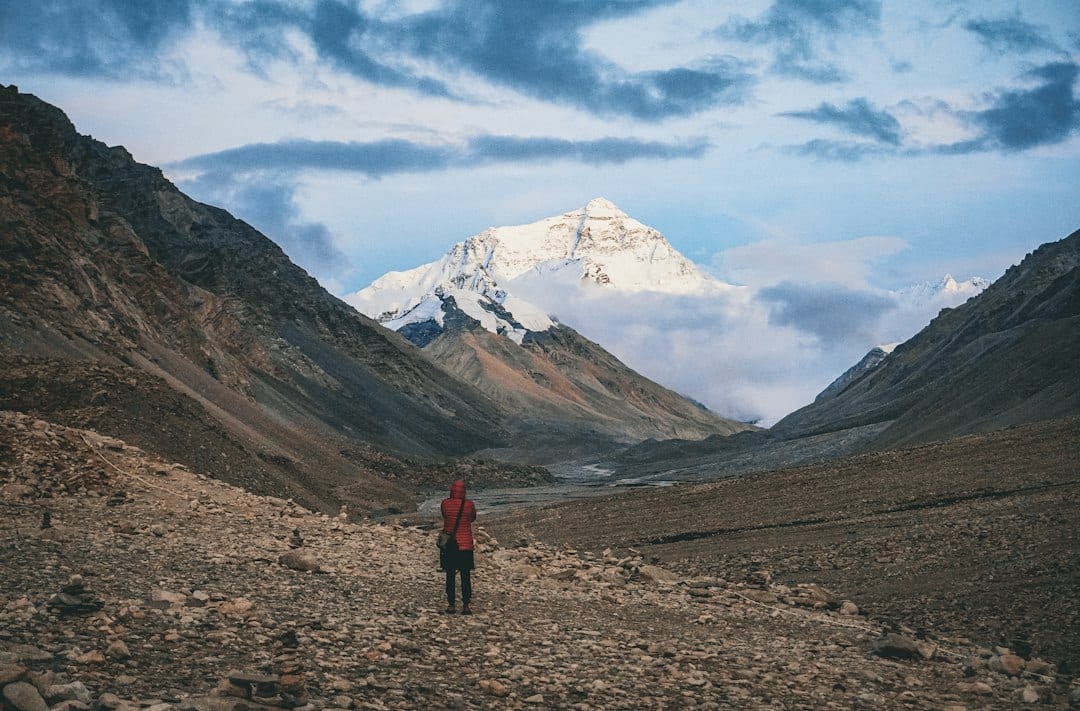
Drive to the Tibetan side of Everest for unmatched views of the world’s highest summit without the crowds of the Nepal route.
Suggested Visit: Full day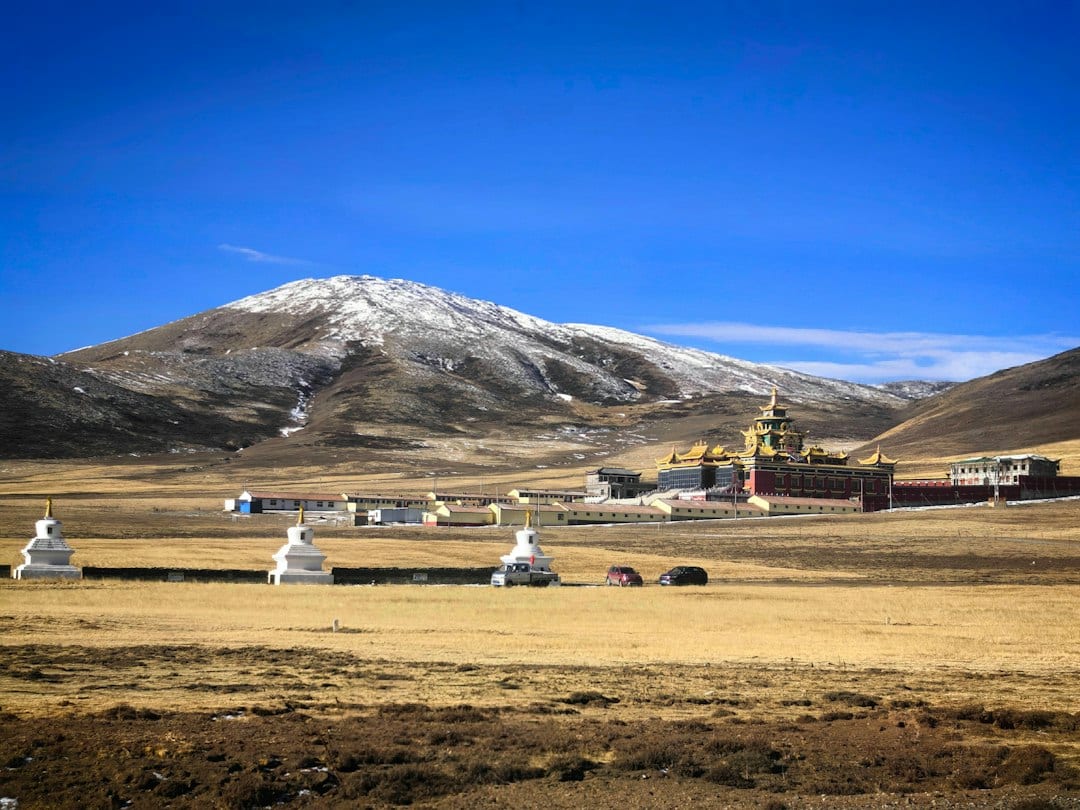
One of the “Great Three” Gelug monasteries, dramatically perched on a ridge east of Lhasa with sweeping views of the Kyi Chu valley.
Suggested Visit: Half dayHigh-altitude cuisine is hearty, warming, and shaped by the land. Here are the dishes and spots every visitor should try.
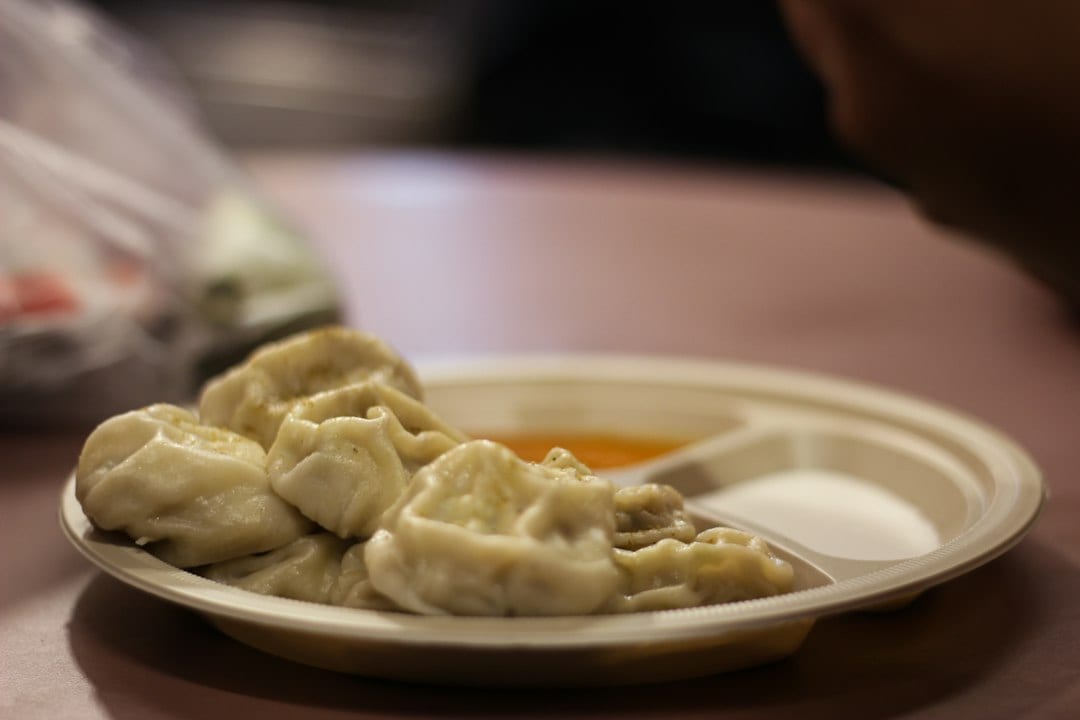
Juicy steamed dumplings filled with yak meat or vegetables, often served with a fiery chili-garlic dipping sauce.
Try at: Lhasa local teahouses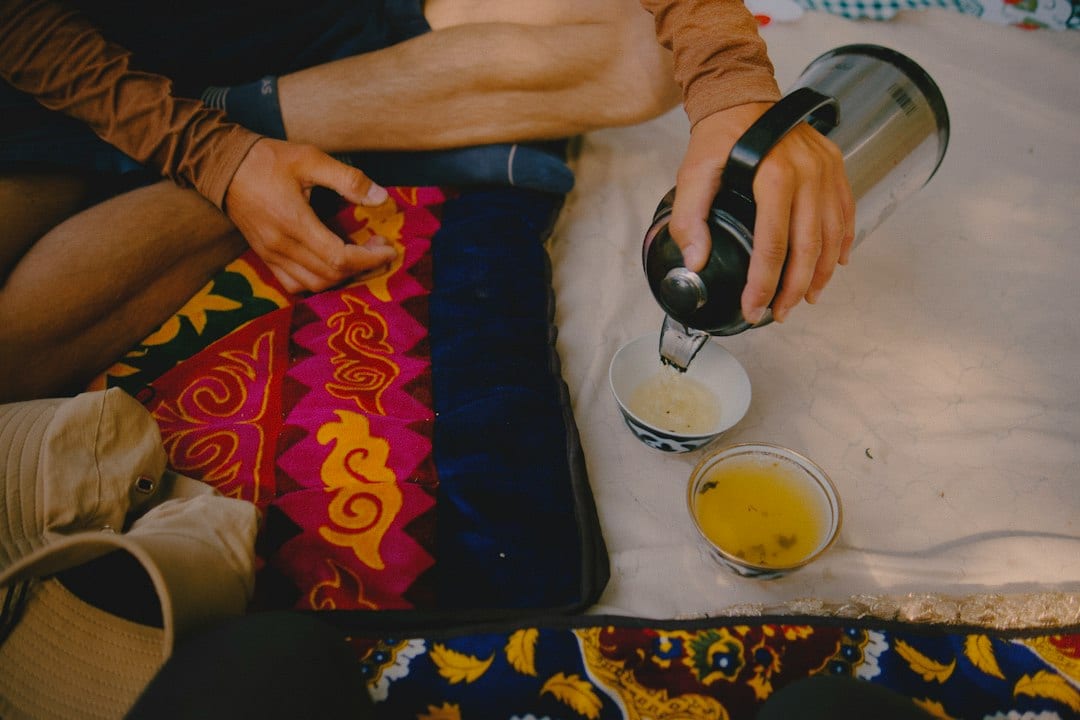
A salty, energizing tea blended with yak butter and barley flour—the traditional welcome drink of the plateau.
Try at: Family guesthouses & monasteries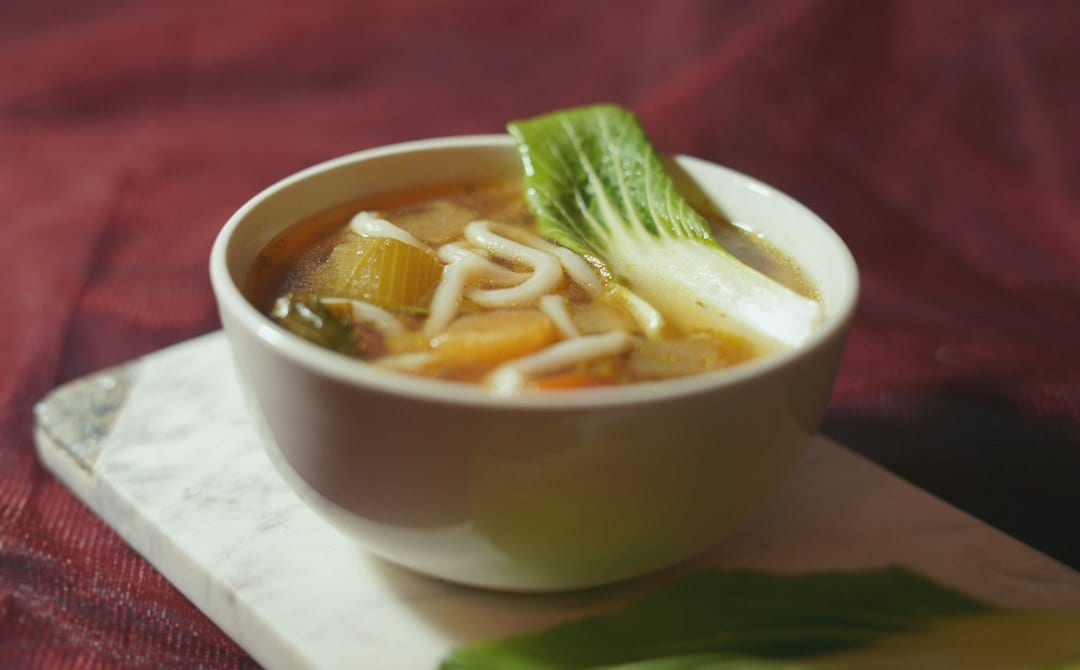
A warming noodle soup with yak meat, vegetables, and fragrant broth—perfect after a cold day in the mountains.
Try at: Shigatse & Lhasa noodle shops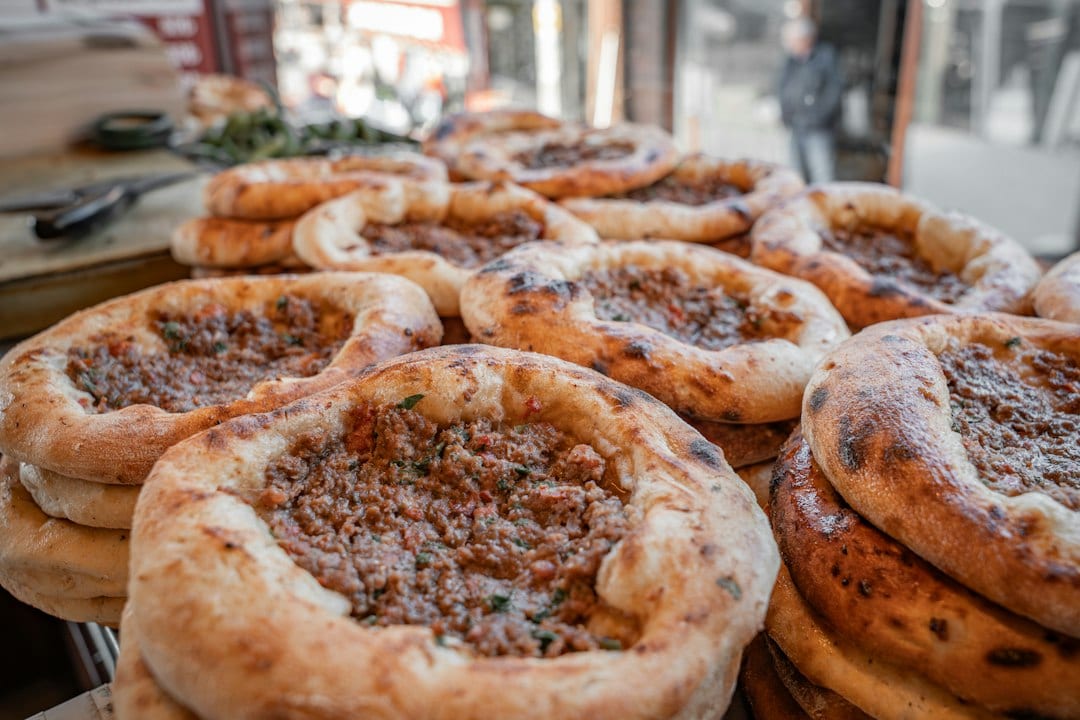
Flaky, pan-fried meat pies stuffed with seasoned yak or mutton. A beloved street snack across Tibet.
Try at: Barkhor Street vendors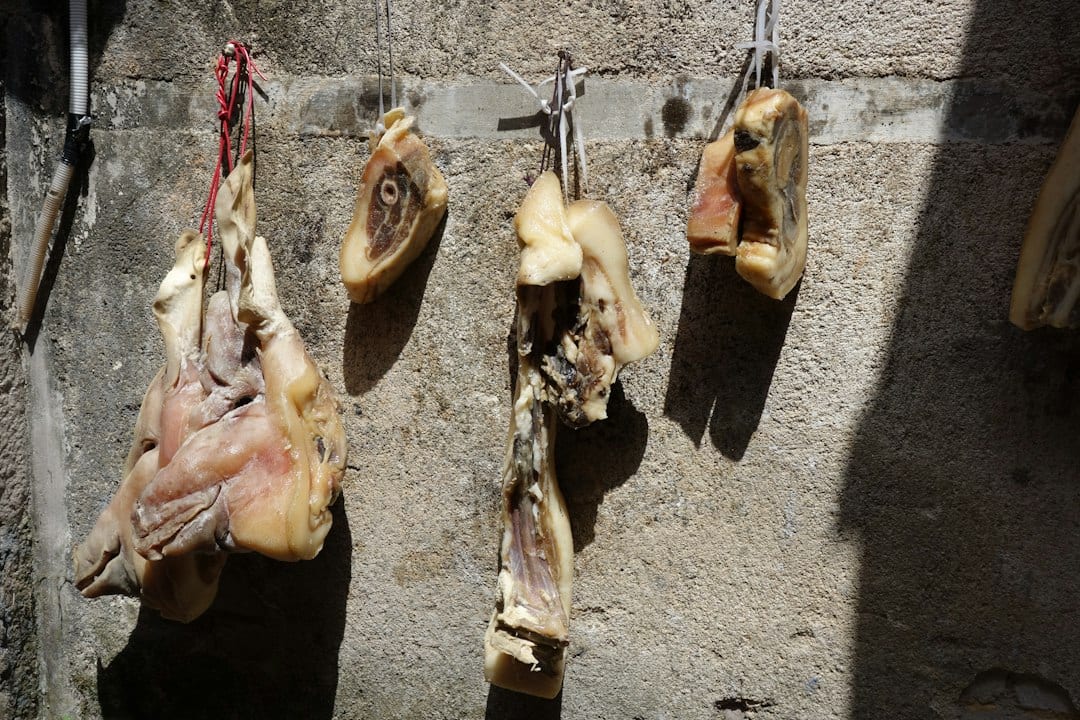
Air-dried strips of yak, lightly spiced and chewy—a protein-packed trail snack favored by nomads and trekkers.
Try at: Local markets & guesthouses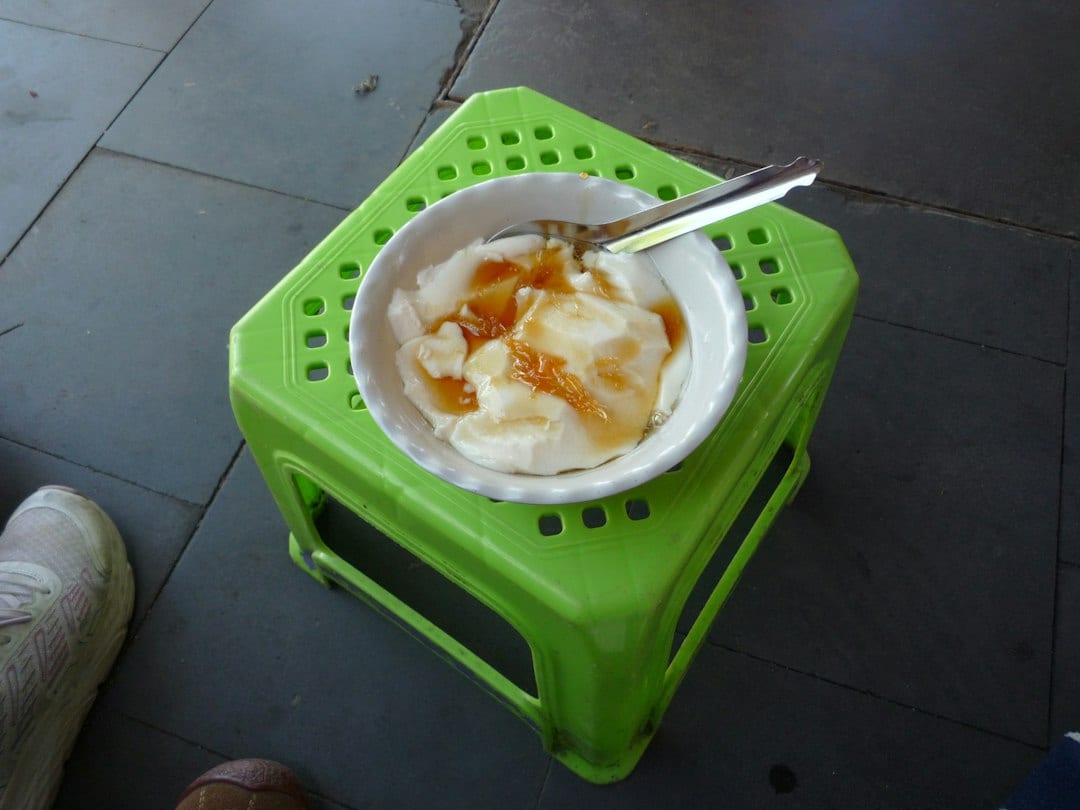
Thick, tangy, and often sweetened with honey or brown sugar. A refreshing finish to a heavy mountain meal.
Try at: Lhasa yogurt housesTravel across the plateau is part of the adventure. We arrange the best transport for each leg of your journey.
Fly into Lhasa Gonggar Airport from major Chinese cities. We handle airport transfers and altitude acclimatization plans.
The Qinghai–Tibet Railway is a scenic high-altitude journey. We book soft-sleeper berths and arrange guided arrivals.
Most overland routes use a private 4WD with an experienced Tibetan driver-guide, giving you flexibility and safety.
Tell us what you have in mind and we will craft a personalized itinerary. No hidden fees, no obligation.
Practical answers to help you prepare for your Tibet journey.
Yes. International visitors need a valid China visa plus a Tibet Travel Permit, which we arrange for you after you book a tour. The permit cannot be applied for independently and is issued based on your passport and visa copies.
April to October is the main travel season. May–June and September–October offer the clearest skies, mildest temperatures, and best road conditions for Everest Base Camp and high lakes.
The Chinese Yuan (CNY) is used throughout Tibet. ATMs are available in Lhasa and Shigatse, but carry cash for remote areas. Tipping is not traditionally expected, though guides and drivers appreciate a small gratuity for good service.
Tibet is generally safe for tourists. The main concern is altitude sickness. We build acclimatization days into every itinerary, provide oxygen in vehicles, and our guides are trained to recognize symptoms early.
Pack layered clothing, a warm down jacket, sun hat, sunglasses, sunscreen, lip balm, comfortable walking shoes, and a reusable water bottle. Bring any personal medications and avoid heavy suitcases due to limited vehicle space.
Yes. Tibetan New Year (Losar), Saga Dawa, and Chinese national holidays such as Golden Week can mean higher prices, limited permits, and crowded sites. We recommend booking at least two months ahead for these periods.
Whether you dream of standing before Everest, walking the Barkhor kora, or sharing butter tea with a local family, we will build the journey around you.
Start Planning Your Trip